
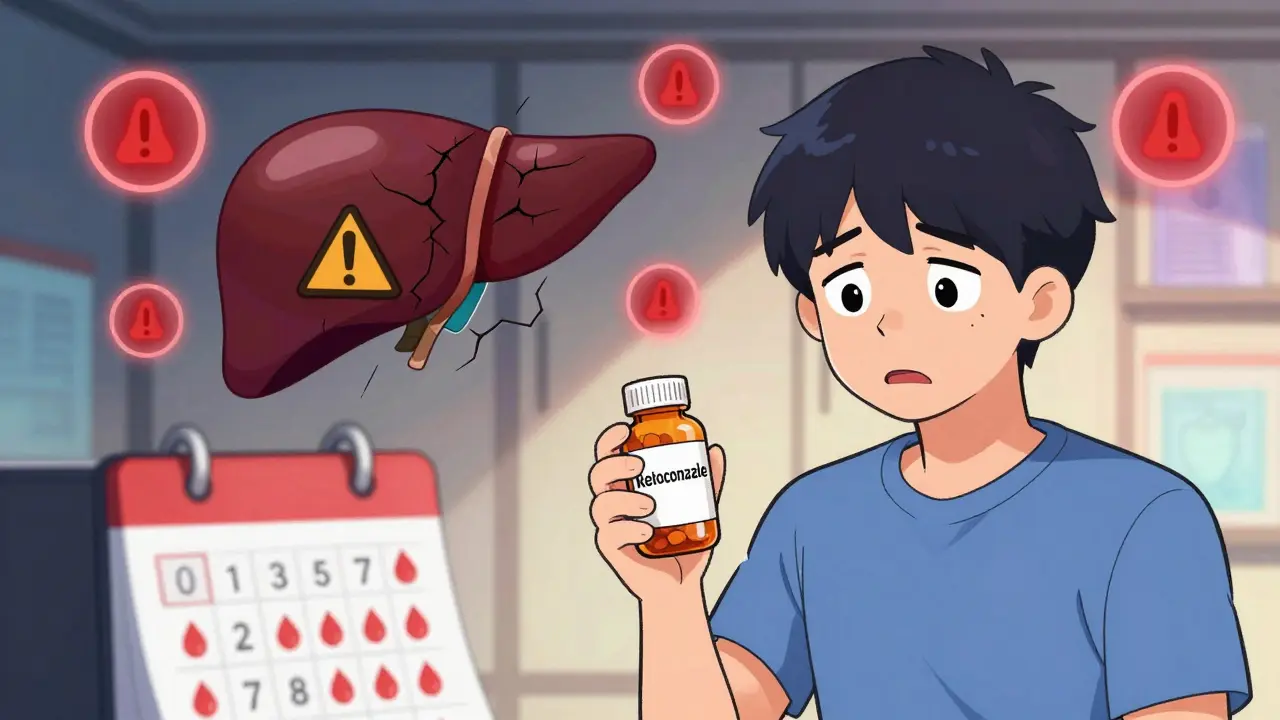
Antifungals Can Hurt Your Liver - Here’s How to Stay Safe
If you’ve been prescribed an antifungal for a stubborn nail infection, yeast infection, or something more serious like aspergillosis, you might assume it’s just another pill with minor side effects. But some antifungals carry a quiet, serious risk: liver damage. This isn’t rare. It’s not just a footnote in the patient leaflet. For some people, these drugs can trigger liver injury so severe it leads to hospitalization, transplant, or even death.
Not all antifungals are the same. Some, like fluconazole, are relatively gentle on the liver. Others, like ketoconazole and voriconazole, have well-documented patterns of causing liver enzyme spikes, jaundice, and acute liver failure. The key isn’t avoiding treatment - it’s knowing which drug you’re on, what signs to watch for, and when to ask your doctor for a blood test.
Which Antifungals Are Most Dangerous for Your Liver?
The risk isn’t equal across all antifungal drugs. The main classes include azoles, polyenes, echinocandins, and allylamines - and their liver safety profiles vary wildly.
- Ketoconazole: Once a common oral treatment, it’s now restricted in the U.S. and banned in Europe. Why? A UK study found about 1 in 500 patients developed serious liver injury. The FDA added a black box warning in 2013. Cases reported to the FDA between 2004 and 2021 totaled over 1,800 - more than any other antifungal.
- Voriconazole: Used for invasive fungal infections in cancer and transplant patients, it’s one of the most common culprits for drug-induced liver injury among azoles. Liver enzymes can spike between 2 and 8 weeks into treatment. Genetic testing now shows people with a CYP2C19 mutation are nearly 4 times more likely to suffer liver damage.
- Itraconazole: Also high-risk. Studies show it causes liver injury more often than fluconazole. It’s still used, but only when alternatives aren’t suitable, and always with liver monitoring.
- Terbinafine: Often used for fungal nails. It has the lowest absolute risk - about 0.1% of users. But it carries a black box warning because liver failure, though rare, can happen. Most cases show up within 6 weeks.
- Echinocandins (caspofungin, micafungin, anidulafungin): These are given intravenously in hospitals. For years, they were thought to be safer for the liver. But recent data shows anidulafungin has the highest death rate among DILI cases - 50%. That doesn’t mean it’s more toxic; it likely means it’s given to the sickest patients who already have failing livers.
- Amphotericin B: The original systemic antifungal, it’s tough on kidneys but less likely to hurt the liver directly. New lipid-based versions are easier on the body overall.
Here’s the bottom line: If you’re on ketoconazole, stop. It’s not worth the risk. If you’re on voriconazole or itraconazole, you need regular blood tests. Terbinafine is safer, but don’t ignore fatigue or yellowing skin.
How Liver Damage Shows Up - And Why It’s Often Missed
Liver injury from antifungals doesn’t come with a siren. There’s no sudden pain or collapse. Instead, it creeps in with vague symptoms:
- Unexplained fatigue
- Nausea or loss of appetite
- Dark urine
- Yellow eyes or skin (jaundice)
- Right-sided abdominal discomfort
These signs are easy to brush off. “I’m just tired from work.” “I ate something bad.” But when these symptoms appear during antifungal treatment, they’re red flags.
Patients on Reddit and patient forums describe being told their symptoms were “just stress” - until their ALT levels hit 1,200 U/L (normal is 7-56). One person on Inspire.com had bilirubin levels over 12 mg/dL (normal under 1.2). That’s liver failure territory. Hospitalization followed.
Doctors miss it because the damage is often delayed. Ketoconazole can wreck the liver in 1-2 weeks. Voriconazole takes 2-8 weeks. Terbinafine? Usually 4-6 weeks. If you’re only getting a blood test at your 3-month follow-up, you’re already too late.

Who’s at Highest Risk?
Not everyone is equally vulnerable. Certain factors make liver damage much more likely:
- Age 65+: Elderly patients face nearly 8 times higher rates of liver injury than younger adults.
- Pre-existing liver disease: Hepatitis, fatty liver, or cirrhosis? Antifungals can push your liver over the edge.
- Multiple medications: Taking statins, seizure drugs, or even OTC painkillers like acetaminophen? These pile on the liver stress.
- Genetics: A common gene variant (CYP2C19 poor metabolizer) triples your risk with voriconazole. Testing is available and becoming more common in hospitals.
- Long-term use: Taking antifungals for more than 2 weeks? Monitoring is non-negotiable.
Here’s a harsh truth: Many people take terbinafine for toenail fungus without ever getting a blood test. A 2020 study found only 37% of primary care doctors ordered liver tests - even though guidelines say they should.
Monitoring: What Your Doctor Should Be Doing
Safe antifungal use isn’t about luck. It’s about structure. Here’s what the Infectious Diseases Society of America (IDSA) recommends:
- Baseline test: Liver enzymes (ALT, AST), bilirubin, and albumin before starting any systemic antifungal.
- Weekly tests for the first month if you’re on ketoconazole, itraconazole, or voriconazole.
- Every 2 weeks after that if treatment continues.
- At 4-6 weeks for terbinafine - then every 4-6 weeks if treatment lasts longer than 8 weeks.
- Stop the drug if ALT or AST is over 3x the upper limit of normal and you have symptoms - or over 5x ULN even if you feel fine.
Don’t wait for your doctor to bring it up. Ask: “Do I need a liver test this week?” If they say no, ask why. If you’re on a high-risk drug and they refuse monitoring, get a second opinion.
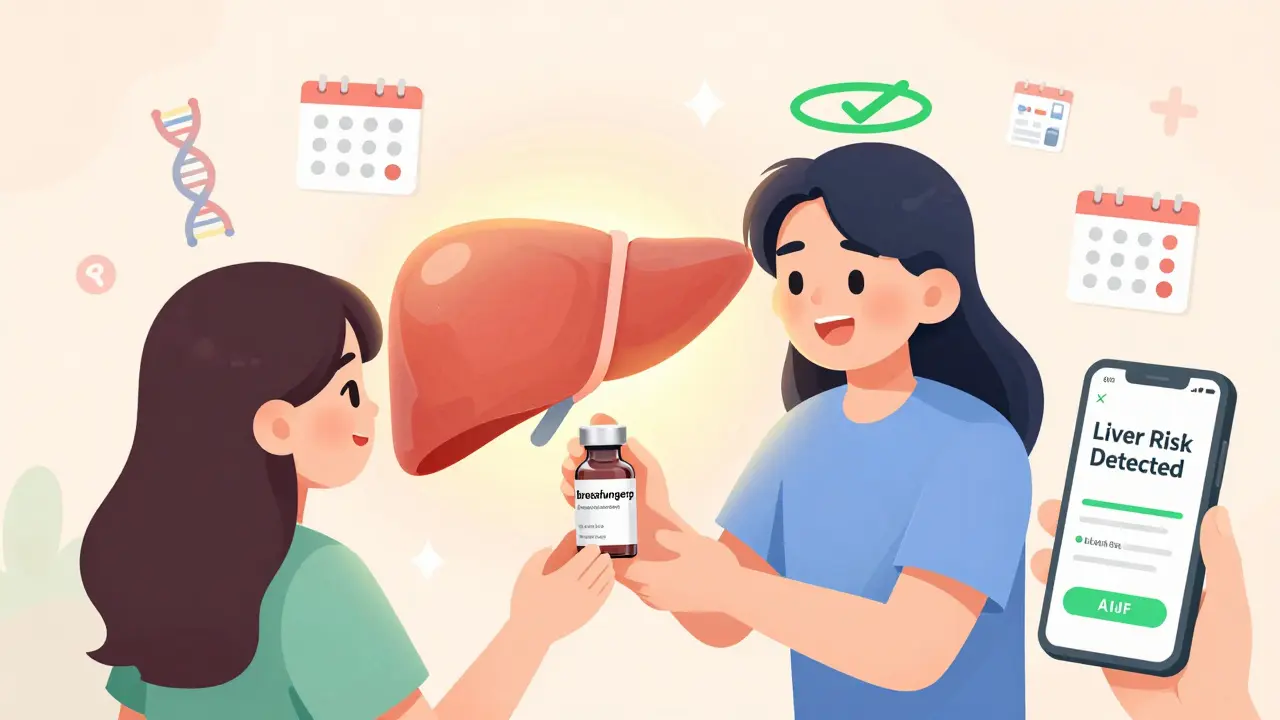
Drug Interactions That Can Make Things Worse
Antifungals don’t just hurt your liver on their own. They interact with other drugs in dangerous ways.
Azoles - especially itraconazole and voriconazole - block liver enzymes (CYP3A4 and CYP2C19) that break down other medications. This causes those drugs to build up in your blood to toxic levels.
Common dangerous combos:
- Statins (simvastatin, lovastatin): Can cause muscle breakdown (rhabdomyolysis) and kidney failure.
- Benzodiazepines (midazolam, triazolam): Risk of extreme sedation or respiratory depression.
- Warfarin: Can spike INR levels, leading to dangerous bleeding.
- Immunosuppressants (cyclosporine, tacrolimus): Used after transplants - levels can become toxic.
- Alcohol: Even moderate drinking increases liver stress. The FDA warns against it with ketoconazole - and the same applies to other azoles.
Always give your pharmacist or doctor a full list of everything you take - including supplements like St. John’s Wort, which can also interfere.
What’s Changing in 2025?
The landscape is shifting. Ketoconazole is fading fast. Its market share has dropped to under 0.5% since the FDA’s 2013 warning. Hospitals have cut its use by over 90%.
Newer antifungals are being designed with liver safety as a top priority. Drugs like olorofim and ibrexafungerp are in late-stage trials and showing 78% fewer liver enzyme spikes than older azoles.
Also, AI is now being used by the FDA to scan adverse event reports faster. In 2024, a pilot program will flag potential liver injury signals within days - not months.
Genetic testing for CYP2C19 status is becoming standard in major cancer centers before starting voriconazole. It’s not yet routine in community clinics - but it should be.
What You Should Do Right Now
If you’re taking an antifungal:
- Know which one. Write it down.
- Check if it’s ketoconazole - stop it immediately and call your doctor.
- Ask: “Do I need a liver test? When?”
- Track your symptoms: fatigue, nausea, dark urine, yellow eyes.
- Review every other medication you take - especially statins, painkillers, and sleep aids.
- If you’re on terbinafine for nail fungus and feel off after 4 weeks, get tested.
Antifungals save lives. But they’re not harmless. The difference between safe use and serious harm often comes down to one question you ask - and one blood test you insist on.
Can antifungals cause permanent liver damage?
Yes, in rare cases. While most liver injury from antifungals reverses after stopping the drug, some patients develop acute liver failure requiring transplant. Ketoconazole and voriconazole have the highest rates of severe outcomes. Early detection is critical - once jaundice or confusion sets in, the damage may already be irreversible.
Is terbinafine safe for long-term use?
Terbinafine is generally safe for short courses (6-12 weeks), but long-term use increases liver risk. The FDA recommends liver enzyme checks at 4-6 weeks and then periodically if treatment lasts longer than 8 weeks. Most liver issues appear within the first 2 months. If you’re on it for more than 3 months, insist on monthly blood tests.
Why was ketoconazole pulled from the market in Europe?
The European Medicines Agency withdrew oral ketoconazole in 2013 due to a high risk of severe liver injury, adrenal gland damage, and dangerous drug interactions. The risk-benefit ratio was deemed unacceptable. It’s now only available in the U.S. as a last-resort treatment for rare fungal infections when no other options exist.
Do over-the-counter antifungals affect the liver?
Topical creams, sprays, and shampoos (like clotrimazole or miconazole) are absorbed minimally and don’t pose a liver risk. Only systemic antifungals - taken by mouth or IV - affect the liver. So if you’re using a cream for athlete’s foot, you’re safe. But if you’re taking pills for nail fungus, you need monitoring.
Can I take antifungals if I have fatty liver disease?
It’s possible, but risky. Fatty liver disease makes your liver more vulnerable to drug injury. Fluconazole or micafungin are preferred over voriconazole or itraconazole. Always get baseline liver tests and monitor closely. Never start systemic antifungals without discussing your liver health with your doctor first.
How often should I get liver tests while on antifungals?
It depends on the drug. For high-risk azoles (voriconazole, itraconazole), test weekly for the first month, then every 2 weeks. For terbinafine, test at 4-6 weeks and then every 4-6 weeks if treatment lasts longer than 8 weeks. Fluconazole only needs testing if you’re on it for more than 2 weeks or have other liver risks. Always follow your doctor’s plan - but if they don’t have one, ask for one.
Elaine Douglass
December 17, 2025 AT 23:36Just ask. It’s not being difficult. It’s being smart.
Takeysha Turnquest
December 18, 2025 AT 07:10What if the real problem isn’t the fungus but the terrain
Why do we reach for poison before we ask why the soil is rotten
Emily P
December 19, 2025 AT 02:36Dikshita Mehta
December 20, 2025 AT 03:22Always read the context behind the stats. This is why medicine isn’t just numbers.
Mark Able
December 20, 2025 AT 15:40Doctors are overworked but you’re not helpless. Print this post. Bring it to your appointment. Make them listen.
James Stearns
December 21, 2025 AT 15:10Dominic Suyo
December 23, 2025 AT 11:55Meanwhile, my cousin’s doc prescribed it for ‘tinea versicolor’ like it was a shampoo. That’s not medicine. That’s negligence with a stethoscope.
Janelle Moore
December 23, 2025 AT 23:33Henry Marcus
December 24, 2025 AT 01:37Carolyn Benson
December 25, 2025 AT 00:12And that’s the real tragedy.
Aadil Munshi
December 25, 2025 AT 08:26Capitalism doesn’t care if you’re sick - only if your illness is profitable.
mary lizardo
December 25, 2025 AT 22:07Chris Davidson
December 26, 2025 AT 11:57Mike Rengifo
December 27, 2025 AT 03:36holly Sinclair
December 27, 2025 AT 19:34