
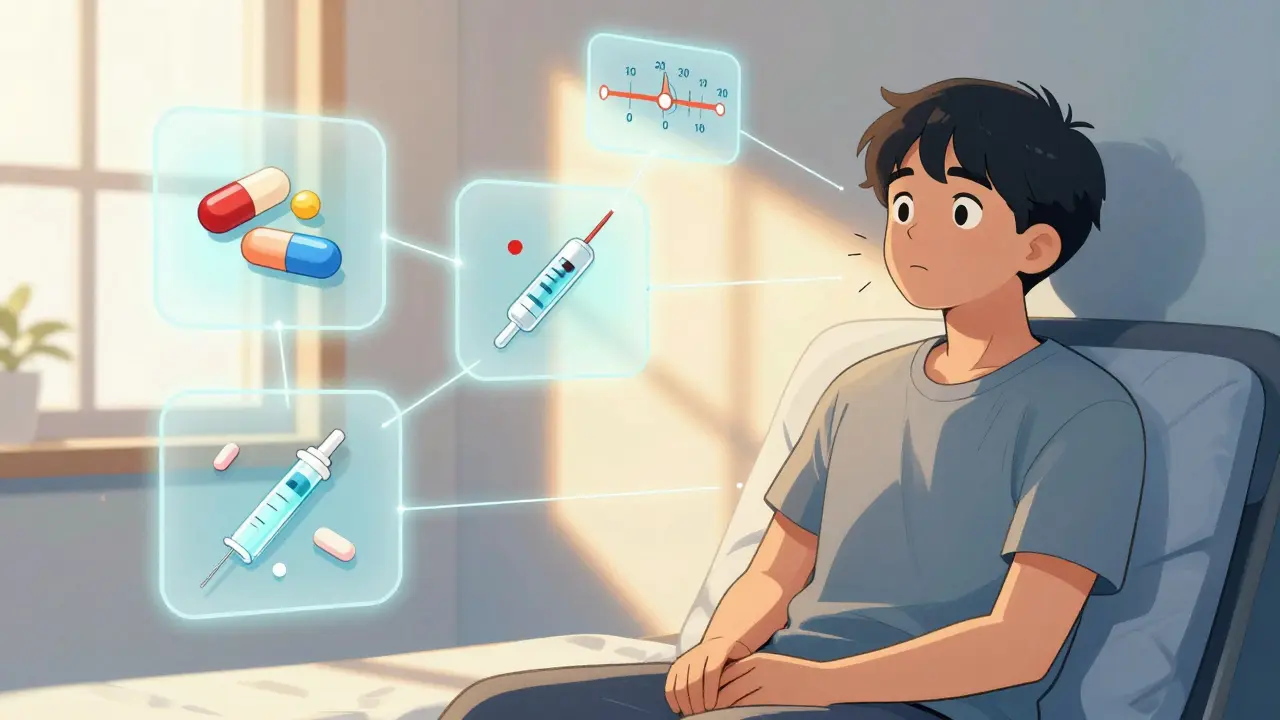
When you or someone you love is fighting cancer, pain isn’t just a symptom-it’s a constant shadow. It can come from the tumor pressing on nerves, from surgery, chemotherapy, or radiation. And while many assume pain is just something you have to endure, the truth is: cancer pain management has come a long way. Today, it’s not about guessing what works. It’s about using the right mix of tools-medicines, procedures, and mind-body therapies-to take back control.
How Cancer Pain Works-and Why One Size Doesn’t Fit All
Cancer pain isn’t one thing. It’s often a mix. Nociceptive pain comes from tissue damage-like a tumor pressing on bone or organs. Neuropathic pain comes from damaged nerves, often feeling like burning, tingling, or electric shocks. Then there’s breakthrough pain-sudden spikes that hit even when you’re on regular meds. This complexity is why simply reaching for an over-the-counter pill often doesn’t cut it. The World Health Organization’s three-step ladder, first introduced in 1986 and updated in 2018 and again in 2024, gives doctors a clear path. Step 1: mild pain? Try acetaminophen or NSAIDs. Step 2: moderate pain? Add weak opioids like tramadol. Step 3: severe pain? Strong opioids like morphine or oxycodone. But here’s the catch: 42% of cancer patients have mixed pain from day one. That means skipping Step 2 isn’t always smarter-it might leave pain untreated.Opioids: Powerful, But Not Perfect
Strong opioids are the backbone of severe cancer pain control. Morphine, oxycodone, and fentanyl patches can drop pain scores by 4 points on a 10-point scale. That’s life-changing. But they come with baggage. Eighty-one percent of patients get constipated. More than half feel nauseous. Nearly half feel drowsy. And while the CDC raised the maximum daily opioid dose for cancer patients from 50 to 90 mg morphine equivalents in 2023, access is still a problem. In 63 countries, opioids are hard to get-especially in low-income regions. Tramadol, often used in Step 2, has a hidden flaw: it relies on your liver to convert it into morphine. But 63% of people have a genetic variation (CYP2D6 poor metabolizer) that makes this conversion fail. For them, tramadol barely works. That’s why some clinics now test for this gene before prescribing. It’s not routine everywhere-but it should be.Nerve Blocks: When the Pain Has a Specific Address
If the pain is localized-like belly pain from pancreatic cancer or leg pain from a tumor pressing on a nerve-a nerve block can be a game-changer. These aren’t magic bullets, but they’re precise. A celiac plexus block, for example, shuts down pain signals from the abdomen. Doctors inject numbing medicine and steroids near the nerves around the pancreas. Studies show 65-85% of patients get relief. For some, it lasts over four months. One patient on Reddit described it as going from an 8/10 pain level to 3/10 for 132 days. Epidural blocks, where medicine is delivered through a catheter near the spine, are common for advanced pelvic or abdominal cancers. Peripheral nerve catheters, placed near specific nerves in arms or legs, let patients control their own pain relief with a pump. Success rates are high-but here’s the problem: only 22% of patients who could benefit actually get one. Why? Limited access, lack of trained specialists, or fear of the procedure. But when done right, nerve blocks reduce opioid use by up to 50%.Integrative Care: The Quiet Heroes of Pain Relief
You might think of acupuncture or massage as “alternative.” But in 2024, 78.4% of U.S. cancer centers offer them. Why? Because the data is solid. Acupuncture reduced pain intensity by 38.7% in 81.5% of studies reviewed. It also cuts nausea and constipation-two big opioid side effects. One patient said acupressure wristbands cut her chemo nausea by 70% and halved her opioid use. Massage therapy helped 54.7% of patients in a CancerCare survey. Mindfulness and breathing exercises improved outcomes in 87% of studies. Even aromatherapy, when used with massage, showed measurable drops in pain scores. Cannabinoids? They work-about 32% better than placebo-but they don’t beat opioids. And 41% of users quit because of dizziness or brain fog. Still, for some, they’re a useful tool when opioids aren’t enough. And now, monoclonal antibodies like denosumab (Xgeva) are entering the scene. They target bone pain from metastases. In trials, they reduced pain by 45.7%-better than placebo, with fewer stomach issues than opioids. Sales hit $3.2 billion in 2024. This isn’t sci-fi. It’s real medicine, approved by the FDA in March 2024.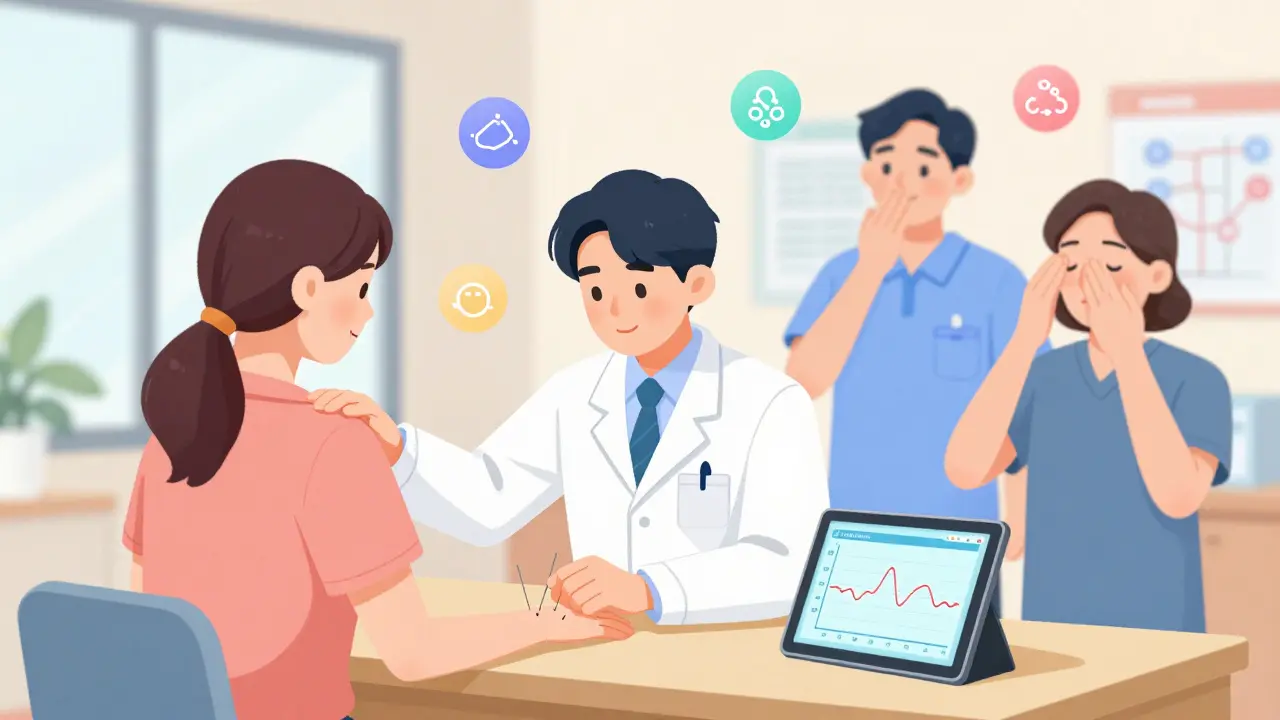
Putting It All Together: The Modern Approach
The old idea of stepping up from pills to pills is outdated. Today’s best practice is stacking tools from day one. If you have bone pain, you might get a monoclonal antibody. If you have belly pain, a nerve block. If you’re on opioids, you get acupuncture for nausea and constipation. If you’re anxious, you try mindfulness. This isn’t just theory. A 2023 study showed this multimodal approach cut hospital readmissions by 23.4% and improved treatment adherence by 37.8%. Pain is tracked using the Numerical Rating Scale (NRS)-patients rate pain from 0 to 10. Doctors adjust doses every 24-48 hours until pain stays below 3/10. That’s the goal: not zero pain, but pain you can live with.What Patients Are Really Saying
Online forums are full of raw stories. One man wrote: “I took oxycodone for six months. I couldn’t sleep, couldn’t eat, and felt like I was drowning in fog. Then I got a celiac plexus block. I slept for the first time in a year.” Another said: “I refused opioids because I didn’t want to be numb. Acupuncture gave me relief without the fog.” But barriers remain. Acupuncture costs $85-$120 per session-and most insurance doesn’t cover it. In Canada, access varies by province. In the U.S., only 52% of rural cancer centers offer integrative care. And in many parts of the world, morphine is still locked behind red tape.What’s Next?
The future is personal. AI is now predicting pain spikes before they happen by analyzing electronic health records. In 2024, a study showed AI-driven care improved pain control by 32.7%. Genetic testing for CYP2D6 metabolism is already used in 63% of European cancer centers. Blockchain systems are being tested to prevent opioid misuse without denying access to those who need it. By 2030, pain management will likely use your DNA, your tumor type, your lifestyle, and your symptoms to build a custom plan. No more trial and error. Just precision.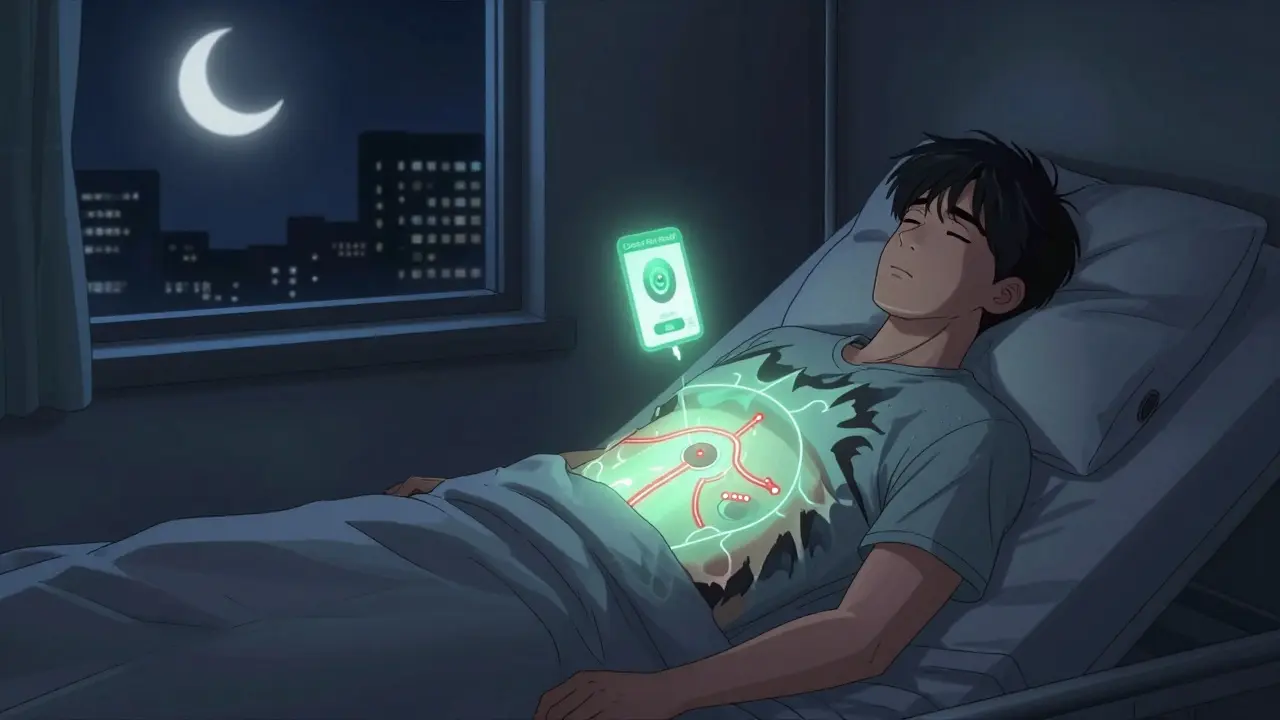
What You Can Do Today
If you’re managing cancer pain:- Ask your doctor: “What type of pain do I have-bone, nerve, or mixed?”
- Request a pain assessment using the NRS scale every time you visit.
- Ask if a nerve block could help-especially if pain is in one area.
- Discuss integrative options: acupuncture, massage, mindfulness. Don’t assume they’re “alternative.” They’re evidence-based.
- If opioids cause constipation, ask for a laxative plan-not just a pill.
- Use the Cancer Pain Relief app (downloaded over 147,000 times) to track symptoms and understand your options.
FAQ
Are opioids the only option for severe cancer pain?
No. While strong opioids like morphine and oxycodone are highly effective for severe pain, they’re not the only option. Nerve blocks-like celiac plexus or epidural injections-can provide long-lasting relief for localized pain. Monoclonal antibodies like denosumab are now approved for bone metastasis pain and offer strong relief with fewer side effects than opioids. Integrative therapies like acupuncture and mindfulness can reduce pain intensity and lower opioid needs. A multimodal approach combining several of these is now the gold standard.
Can nerve blocks cure cancer pain?
No, nerve blocks don’t cure cancer. They interrupt pain signals from specific nerves, giving relief that can last weeks or months. For example, a celiac plexus block for pancreatic cancer can reduce pain by 65-85% for up to 132 days. But because cancer progresses, the nerves may become irritated again, requiring repeat blocks. They’re a powerful tool for control, not a cure.
Is acupuncture safe during chemotherapy?
Yes, when performed by a licensed practitioner using sterile, single-use needles. Multiple studies, including a 2024 review of 17 trials, show acupuncture reduces cancer-related pain and chemotherapy-induced nausea with no serious side effects. Many cancer centers now have acupuncturists on staff. Always tell your oncologist before starting-some patients have low platelets or are on blood thinners, which requires extra care.
Why do so many cancer patients still suffer from uncontrolled pain?
Three main reasons: lack of awareness, access barriers, and outdated thinking. Many patients don’t know pain can be managed effectively. Doctors sometimes underprescribe opioids due to fear of addiction (even though addiction is rare in cancer patients). Nerve blocks require specialists who aren’t available everywhere. And integrative therapies are often not covered by insurance. In low-income countries, morphine is still hard to get. Progress is happening-but it’s uneven.
Do integrative therapies really work, or are they just placebo?
The evidence is strong. A 2024 scoping review of 54 studies found mindfulness-based therapies improved pain outcomes in 87% of cases. Acupuncture showed pain reduction in 81.5% of studies, with effect sizes comparable to low-dose opioids. Massage and aromatherapy reduced anxiety and nausea in randomized trials. These aren’t placebos-they’re measurable, repeatable interventions. The National Comprehensive Cancer Network (NCCN) now gives them a Category 1 recommendation, meaning they’re considered standard care.
Can I use cannabis instead of opioids for cancer pain?
Cannabis and cannabinoids can reduce pain by about 32% more than placebo, according to a 2023 meta-analysis. But they don’t outperform opioids in direct comparisons. Many patients report dizziness, confusion, or memory issues, and 41% stop using them because of side effects. They’re best used as an add-on-not a replacement-for opioids, especially if you’re already on other meds. Always discuss with your oncologist, since cannabis can interact with chemotherapy drugs.
How do I know if my pain management plan is working?
Track your pain daily using a 0-10 scale. Your goal should be to keep pain at or below 3/10 for most of the day. If your pain stays above 4/10 for more than an hour, or if you need breakthrough doses more than three times a day, your plan needs adjustment. Also, watch for side effects: if constipation, nausea, or drowsiness are worse than the pain, talk to your team. Good pain control means you can sleep, eat, and spend time with loved ones-not just feel less pain.
Next Steps
If you’re currently managing cancer pain:- Write down your pain patterns: when it hits, what makes it better or worse, and how it affects your daily life.
- Ask your oncology team: “Do we have a pain management specialist on staff?”
- Request a referral to palliative care-even if you’re not at end-of-life. Their job is to improve quality of life, not just treat cancer.
- Explore integrative options at your cancer center. Many now offer acupuncture, massage, or guided meditation for free or low cost.
- Use the Cancer Pain Relief app to log symptoms and share data with your care team.
Pain doesn’t have to be part of your cancer journey. With the right tools, it can be managed-effectively, safely, and with dignity.
Siobhan K.
December 21, 2025 AT 12:53Brian Furnell
December 22, 2025 AT 15:54Theo Newbold
December 23, 2025 AT 01:18Jerry Peterson
December 24, 2025 AT 23:24Meina Taiwo
December 26, 2025 AT 18:47Jackie Be
December 28, 2025 AT 10:45Hannah Taylor
December 30, 2025 AT 06:08mukesh matav
January 1, 2026 AT 01:27Peggy Adams
January 1, 2026 AT 15:26Sarah Williams
January 2, 2026 AT 23:19Erika Putri Aldana
January 3, 2026 AT 22:51Grace Rehman
January 4, 2026 AT 05:20