
Respiratory Risk Interaction Checker
Note: This tool is for educational purposes only and does not provide medical advice. Always consult a healthcare professional regarding medication changes.
Additional Risk Factors:
Please select risk factors on the left to see the analysis.
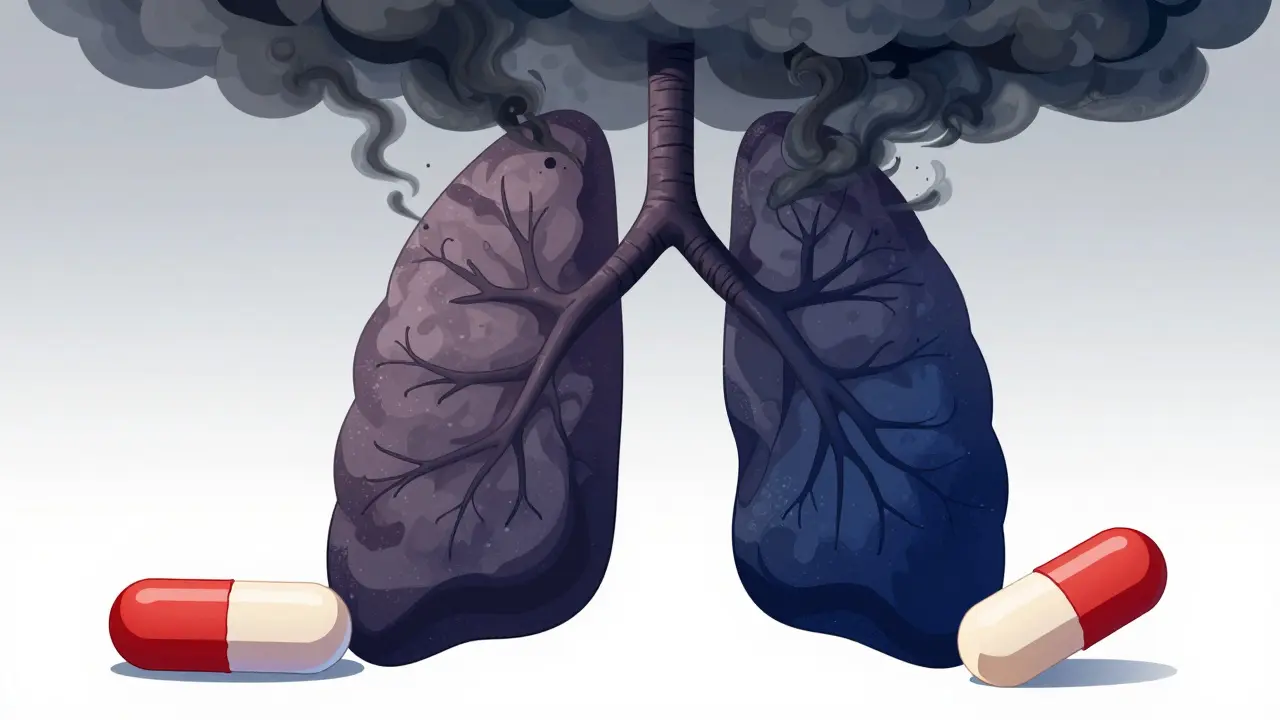
Imagine taking two different medications to manage chronic pain, only to find that they create a dangerous "perfect storm" in your lungs. This is exactly what happens when gabapentinoids is a class of medications used to treat seizures and neuropathic pain, including gabapentin and pregabalin are combined with opioids. While both are effective for pain, their interaction can lead to a life-threatening condition where breathing becomes shallow or stops entirely.
The Danger of Combined Use
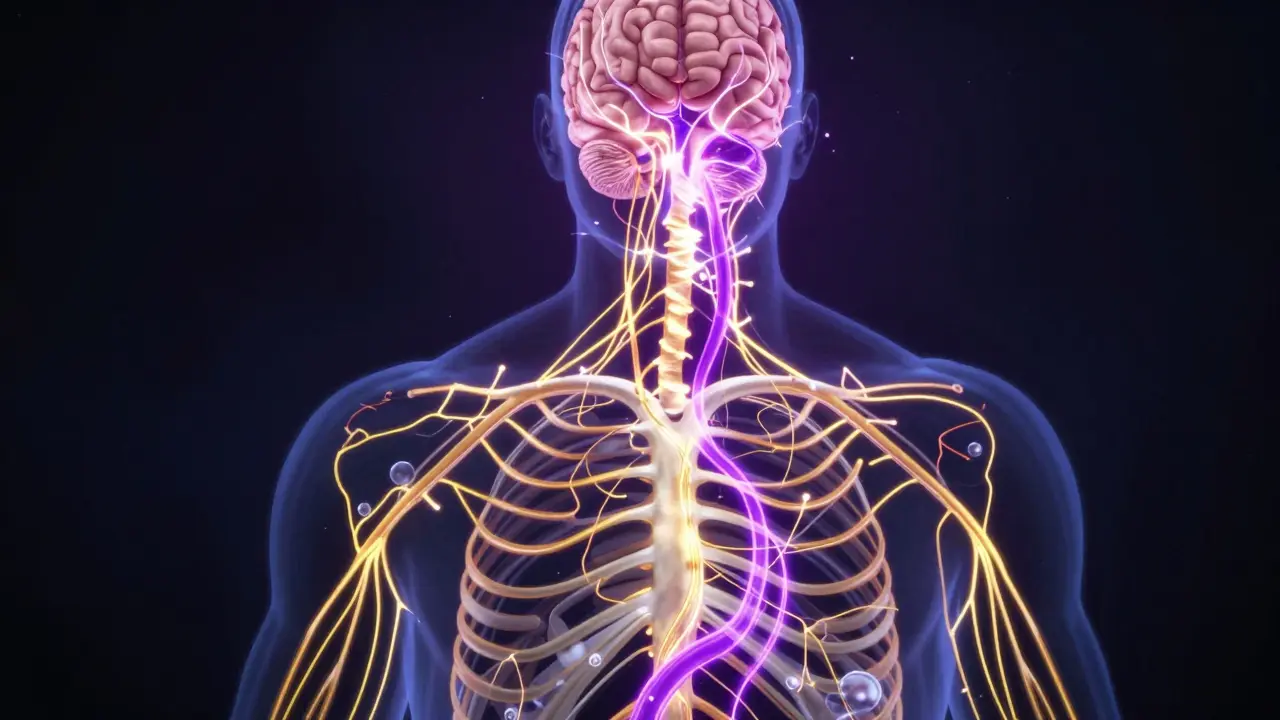
When you take a gabapentinoid-like gabapentin (known by brands like Neurontin) or pregabalin (Lyrica)-alongside an opioid, you aren't just adding two drugs together; you are amplifying their effects on your central nervous system. This leads to respiratory depression, a state where the brain forgets to tell the body to breathe. This isn't just a theoretical risk. The FDA issued a stark warning in 2019 after reviewing the Adverse Event Reporting System (FAERS), finding that a huge number of respiratory failure cases involved this specific drug combination.
What makes this interaction particularly sneaky is that gabapentinoids can actually reverse the tolerance your body has built up to opioids. If you've been on opioids for a while, your body gets used to them. But adding a gabapentinoid can "wake up" the respiratory depressant effects of the opioid, making a dose that was previously safe suddenly become lethal. A landmark study published in PLOS Medicine found that patients taking both medications had a 50% higher risk of dying from opioid-related causes compared to those taking opioids alone.
How the Interaction Works
There are two main ways these drugs interfere with each other: pharmacodynamics and pharmacokinetics. In simple terms, pharmacodynamics is what the drug does to your body, and pharmacokinetics is what your body does to the drug.
- Additive Effect: Both drug classes slow down the central nervous system. When used together, they don't just add up; they can multiply the sedative effect, causing the drive to breathe to drop significantly.
- Absorption Boost: Opioids slow down how fast food and medicine move through your gut. Because gabapentin is absorbed in a specific window of the upper small intestine, the slowing effect of opioids can actually keep gabapentin in that absorption window longer, increasing the amount of the drug that enters your bloodstream.
Research using healthy volunteers has shown that combining pregabalin with remifentanil (a potent opioid) caused a measurable rise in end-tidal CO2, a clear sign that the body isn't exhaling carbon dioxide efficiently because breathing has slowed down.
Who Is Most at Risk?
Not everyone who takes these medications will experience severe respiratory depression, but certain factors make the risk much higher. If you fall into any of these categories, the combination is significantly more dangerous:
| Risk Factor | Why it Matters |
|---|---|
| Advancing Age | Older adults often have naturally reduced lung function and slower metabolism. |
| Renal Insufficiency | Both gabapentin and pregabalin are cleared by the kidneys. Poor kidney function leads to drug buildup. |
| Chronic Lung Disease | Conditions like COPD or asthma mean you have less "breathing reserve" to spare. |
| High Doses | Higher doses of gabapentin can nearly double the risk of opioid-related death. |
The Paradox of "Opioid-Sparing" Strategies
In recent years, doctors have tried to use gabapentinoids as "opioid-sparing" agents. The idea was that by adding gabapentin, patients could take fewer opioids, reducing the risk of addiction and overdose. However, this has created a dangerous paradox. Instead of making the patient safer, clinicians were inadvertently introducing a second drug that increases the risk of respiratory failure.
Analysis of over 5.5 million surgical patients in JAMA Network Open revealed a worrying trend. In general surgery, the prevalence of opioid-induced respiratory depression was as high as 72% when these drugs were involved. This suggests that for many patients, adding a gabapentinoid doesn't actually provide a significant boost in pain control, but it does significantly increase the risk of a breathing crisis.
Safe Management and Dosing
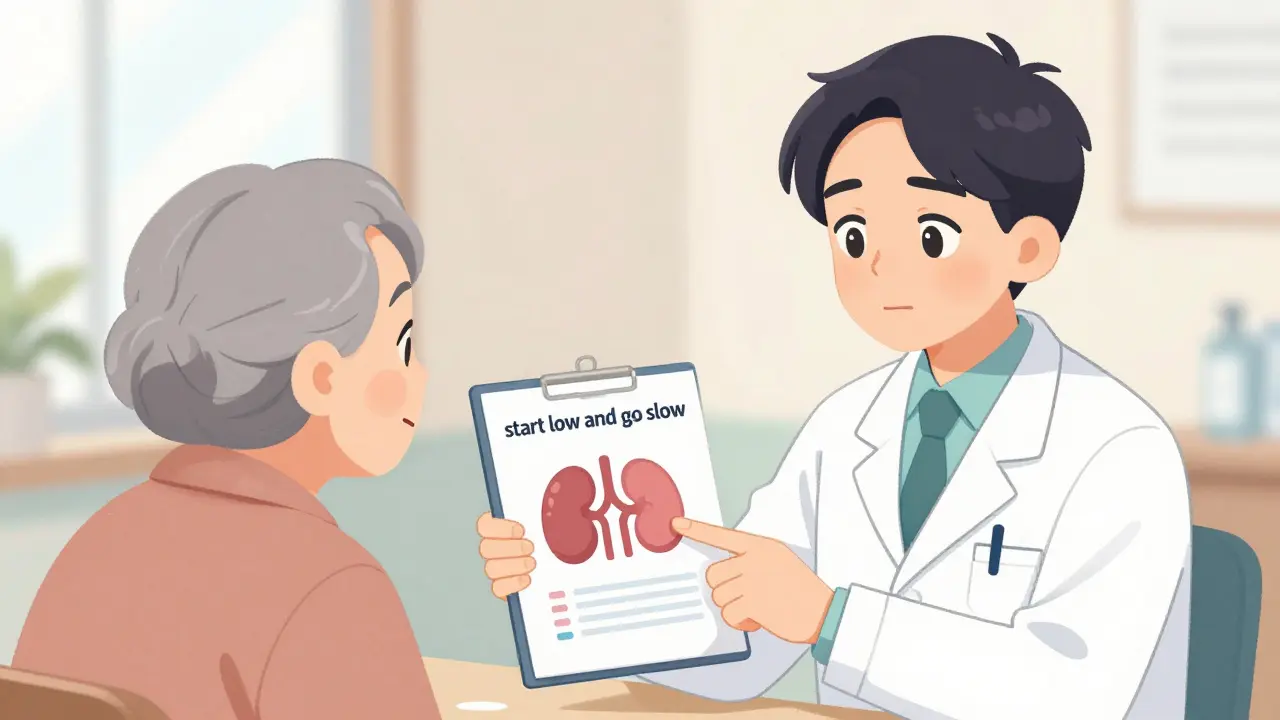
If a doctor determines that both medications are absolutely necessary, a "start low and go slow" approach is the only safe way forward. This means starting with the smallest possible dose and increasing it very gradually while monitoring breathing closely.
Kidney health is the most critical variable here. Because renal excretion is the primary way these drugs leave the body, dosing must be adjusted based on creatinine clearance. For example, pregabalin requires dose reductions if clearance is below 60 mL/min, and gabapentin requires adjustments if it's below 70 mL/min. Without these adjustments, the drug accumulates in the system, turning a standard dose into a toxic one.
Warning Signs to Watch For
Knowing the signs of respiratory depression can save a life. It doesn't always look like a complete stop in breathing; it often starts subtly. Look for these red flags:
- Extreme sleepiness or inability to wake up.
- Slow, shallow, or irregular breathing.
- A bluish tint to the lips or fingernails (cyanosis).
- Confusion or disorientation.
- Pinpoint pupils, especially when combined with the sedative effect of gabapentinoids.
Can gabapentin cause respiratory depression on its own?
Yes, although it is rare. The FDA and MHRA have noted that respiratory depression can occur even with gabapentinoid monotherapy, particularly in patients who already have underlying lung disease or severe kidney impairment.
Why do doctors prescribe these two together if they are dangerous?
They are often used to treat different types of pain. Opioids are used for acute or severe somatic pain, while gabapentinoids target neuropathic (nerve) pain. Doctors may believe the benefit of comprehensive pain control outweighs the risk, but they must do so with extreme caution and monitoring.
Does this interaction happen with all opioids?
Yes, the additive effect occurs with virtually all opioids, including morphine, oxycodone, fentanyl, and hydrocodone, as they all target the central nervous system's respiratory drive.
What should I do if I am taking both medications?
Do not stop taking your medication abruptly, as this can cause withdrawal. Instead, schedule an immediate appointment with your healthcare provider to discuss your risk factors and ensure your doses are adjusted for your kidney function.
Is naloxone effective for this interaction?
Naloxone reverses the opioid part of the interaction, but it does nothing to reverse the effects of the gabapentinoid. While it may help restore some breathing, the patient may still be heavily sedated due to the gabapentinoid's presence.