
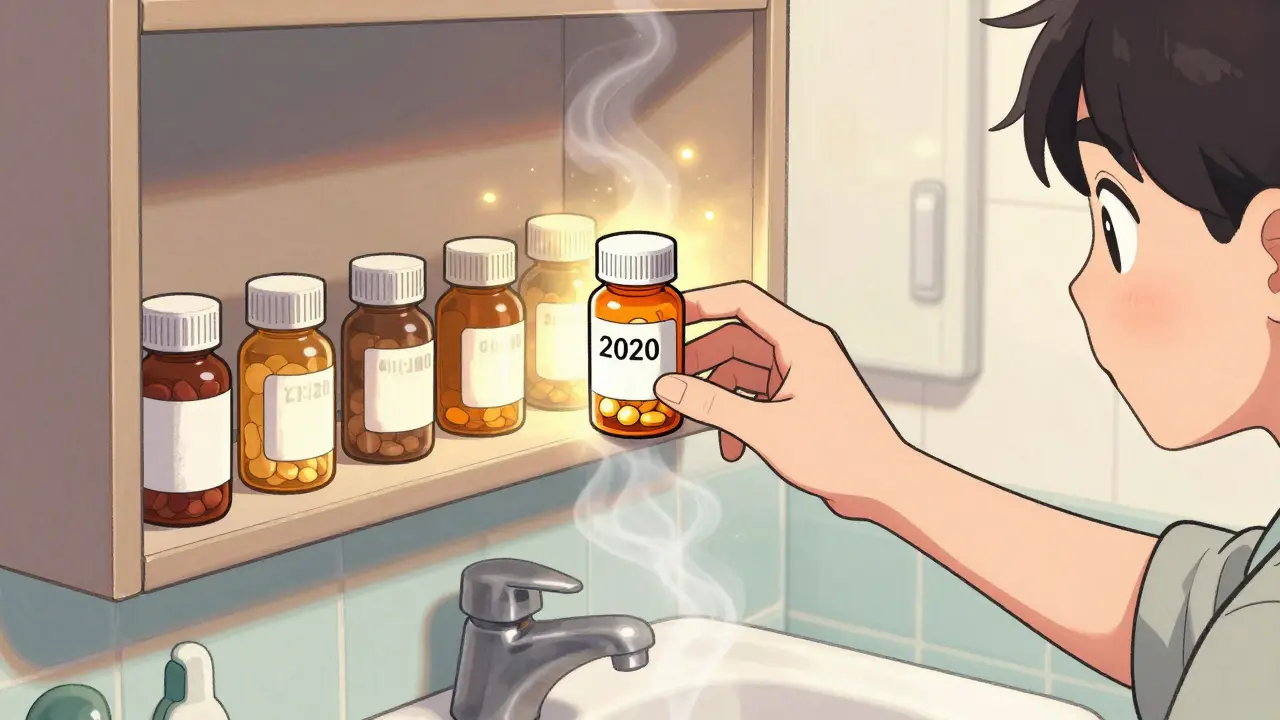
Most people throw away expired medications the moment the date on the bottle passes. But what if that date isn’t the real deadline? What if your old ibuprofen, antibiotics, or blood pressure pills are still working just fine-years after they’re supposed to be useless?
Expiration Dates Aren’t What You Think
The date printed on your medicine bottle isn’t a magic expiration time when the drug suddenly turns to dust. It’s a guarantee. A manufacturer’s promise that the medication will be at least 90% as strong as labeled up to that date, assuming it’s stored properly. After that? No one’s legally required to test it. The FDA doesn’t demand long-term stability studies beyond 12 to 60 months. That’s it. After that, the clock stops-and the drug keeps working anyway.Science Says Most Drugs Last Way Longer
In 2012, researchers from the University of California-San Francisco tested 15 different active ingredients in medications that had expired 28 to 40 years earlier. These weren’t old samples sitting in a garage. They were sealed, unopened, and stored under ideal conditions-cool, dry, and dark. The results? Twelve out of fourteen drugs still had at least 90% of their original potency. Eight of them were still at full strength after 40 years. That’s not a fluke. That’s data. The U.S. Department of Defense has been running a program called SLEP since 1986, testing stockpiled military drugs. They found that 88% of the 122 drugs they tested could safely have their expiration dates extended by an average of 66 months. Some lasted over 20 years beyond their original date. And here’s the kicker: every dollar spent on testing saved between $13 and $94 in replacement costs. If you’re wondering why this isn’t common knowledge, the answer is simple: drug companies don’t profit when you don’t buy new bottles every year.What Kind of Medicines Last?
Not all pills are created equal. Solid forms-tablets and capsules-hold up the best. Aspirin, acetaminophen, ibuprofen, codeine, hydrocodone, and even antibiotics like amoxicillin (in tablet form) often remain effective for years past their expiration date if kept dry and cool. Liquid medications? Not so much. Suspensions, syrups, and reconstituted antibiotics (like amoxicillin powder mixed with water) break down faster. Once opened, they’re exposed to air and moisture. That’s why your child’s liquid antibiotic might taste funny or look cloudy after a few weeks. Don’t risk it. Some drugs are just too sensitive. Insulin, nitroglycerin (used for heart attacks), epinephrine auto-injectors (EpiPens), and tetracycline antibiotics lose potency quickly after expiration. In the case of insulin or EpiPens, that’s not just about effectiveness-it’s about life or death. A weakened EpiPen might not stop anaphylaxis. An expired insulin dose might not control your blood sugar. These aren’t worth gambling with.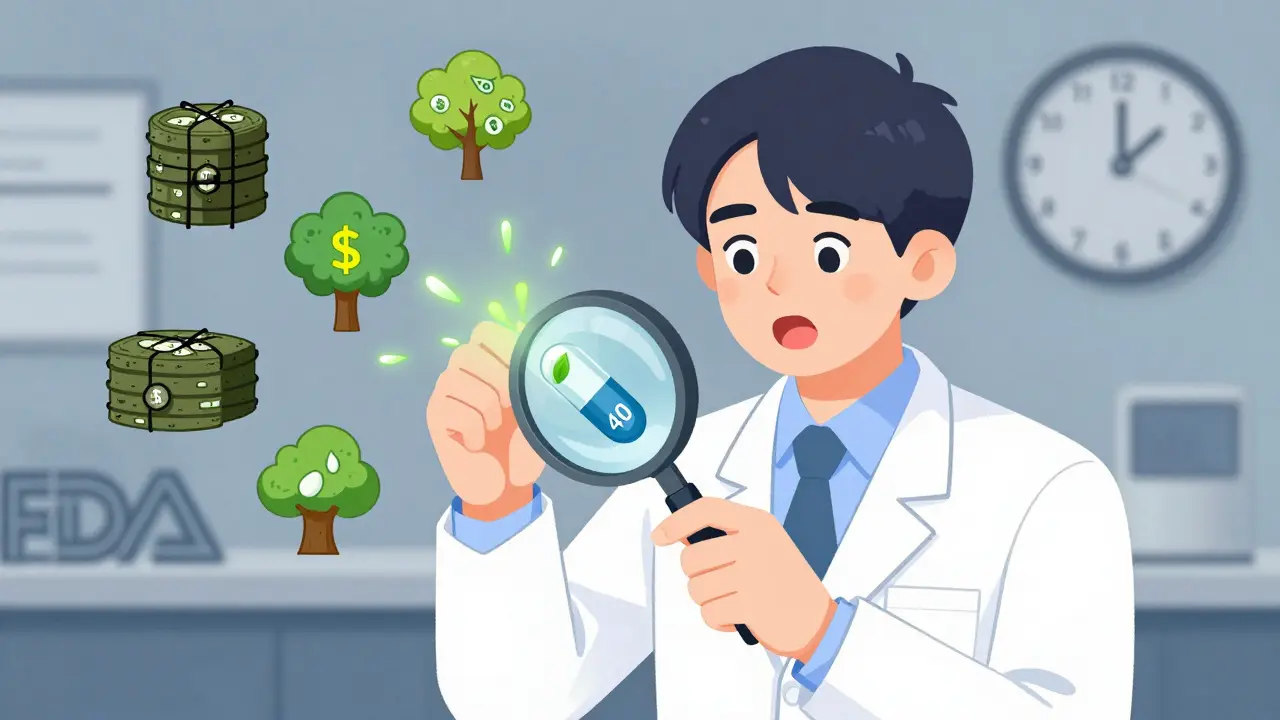
Storage Matters More Than You Think
Your medicine cabinet above the sink is the worst place for pills. Heat and moisture from steam and humidity speed up degradation. A bathroom cabinet? Bad. A drawer in your bedroom? Better. A cool, dark place like a closet shelf or even the fridge (if the label doesn’t say otherwise) is ideal. Also, don’t transfer pills to pill organizers unless you’re using them right away. Those little plastic containers aren’t airtight. Once you move a tablet out of its original foil blister pack or sealed bottle, it’s exposed to air and moisture. That’s why a bottle of aspirin kept in its original packaging might still be good 10 years later-but the same aspirin in a weekly pill organizer might lose potency in months.What About Over-the-Counter Drugs?
Same rules apply. Your expired allergy pill? Probably fine. Your old pain reliever? Likely still works. But if you’re treating something serious-like high blood pressure, seizures, or heart arrhythmias-don’t take chances. Even if the pill looks fine, the chemical balance might have shifted enough to make it ineffective. One big exception: liquid medications like cough syrup or children’s acetaminophen. If it’s been sitting for more than a year past expiration, toss it. The sugar and preservatives break down, and the suspension can grow bacteria.Why Do Manufacturers Set Such Short Dates?
It’s not about science. It’s about liability and profit. Pharmaceutical companies test stability for a few years-enough to meet FDA requirements-and then stop. There’s no financial incentive to prove a drug lasts 10, 20, or 30 years. If your aspirin bottle says “expires 2025,” but it’s still good in 2035, you won’t buy another one. That’s bad for business. The FDA’s stance is cautious: “Expired drugs can be less effective or risky.” And they’re right-for some drugs. But they’re also not telling the full story. Their own testing, cited in the same 2012 study, showed that 90% of drugs tested were still safe and effective up to 15 years past expiration under ideal conditions.
When Should You Actually Throw Something Out?
Here’s a simple rule: if it’s one of these, don’t use it after expiration:- Insulin
- Nitroglycerin
- Epinephrine auto-injectors (EpiPens)
- Liquid antibiotics
- Tetracycline
- Any medication that looks discolored, smells odd, or is crumbly or sticky
The Real Risk Isn’t Ineffectiveness-It’s Fear
The biggest danger isn’t taking an expired pill. It’s avoiding necessary treatment because you think your medicine is useless. People skip doses of blood pressure meds or painkillers because they’re afraid of expired pills. That’s more dangerous than the pill itself. At the same time, don’t go digging through your junk drawer for your grandfather’s heart medication. Just because some drugs last decades doesn’t mean all do. Use judgment. Use storage. Use common sense.What’s the Bottom Line?
Most medications don’t suddenly become dangerous or useless on their expiration date. Many remain effective for years-even decades-if stored properly. The expiration date is a legal marker, not a scientific cliff. But there are exceptions. And those exceptions matter. If you’re taking something critical for your health, don’t gamble. Replace it. But if you’ve got a bottle of ibuprofen from 2020 sitting in a cool, dark drawer? It’s probably still working fine. Save your money. Don’t panic. And don’t let marketing scare you into throwing away perfectly good medicine.Medications aren’t like milk. They don’t spoil. They fade. Slowly. And often, they fade far later than anyone ever told you.
Jerry Rodrigues
January 21, 2026 AT 06:16My grandma keeps her aspirin in a tin box in the closet. She’s been taking the same bottle since 2011. Still works fine. No drama.
Amber Lane
January 22, 2026 AT 11:17I used to panic over expiration dates until I learned the truth. Now I check the pills. If they look and smell normal, I’m good. Except for EpiPens. Those get replaced.
Glenda Marínez Granados
January 23, 2026 AT 08:24So the pharma companies are lying to us… again. 🤡 Guess we should’ve seen this coming when they told us sugar was healthy.
Rod Wheatley
January 23, 2026 AT 12:12This is the kind of info that should be on every drug bottle. Not just some obscure FDA study buried in a journal. I’ve got a 2018 bottle of ibuprofen in my drawer-looks perfect, no weird smell, no discoloration. Why would I pay $15 again for the same chemical? The system is rigged. We’re being manipulated to buy more. And honestly? I’m tired of it. I’m not reckless-I check storage, I avoid liquids, I skip the life-saving stuff-but why should I throw out perfectly good medicine just because a label says so? It’s not science. It’s capitalism dressed up as safety.
And don’t get me started on how pharmacies won’t even give you a free consultation about this. They just scan and charge. No one’s educating people. We’re left guessing. And guess what? People die from skipping meds because they think expired = dangerous. That’s the real tragedy.
I’m not saying go dig up your grandpa’s insulin. I’m saying stop being scared by marketing. A pill isn’t milk. It doesn’t curdle. It just… fades. Slowly. Like an old song you still love even if the speakers are a little crackly.
My pharmacist told me last week that 90% of solid meds retain potency for 5+ years past expiration. That’s not a rumor. That’s data. And yet, we’re conditioned to toss them like trash. It’s insane.
My sister took her expired blood pressure med for six months after it expired. Her doctor didn’t even blink when she told him. Said the levels were stable. She saved $400 that year. No side effects. No issues.
Storage matters more than the date. A damp bathroom? Bad. A cool, dark drawer? Great. Original packaging? Essential. Move it to a plastic organizer? You’re asking for trouble.
And yes-I’ve seen people take expired antibiotics and get sicker. But that’s because they’re using them for something they shouldn’t. Or because the bottle was left in a hot car. Not because the drug died. It’s about context.
We need a national campaign on this. Not fear. Not profit. Just facts. People deserve to know the truth. And I’m glad someone finally said it out loud.
lokesh prasanth
January 24, 2026 AT 01:07Malvina Tomja
January 25, 2026 AT 10:32Oh please. You’re romanticizing expired pills like they’re vintage wine. This is dangerous pseudoscience. I’ve seen people die because they thought ‘it looked fine.’
Samuel Mendoza
January 26, 2026 AT 10:23So… you’re saying we should ignore FDA guidelines? Because some military study from 1986 says it’s okay? Wow. Brave.
MARILYN ONEILL
January 26, 2026 AT 13:39I mean… I just buy new ones. It’s $5. Why risk it? I’m not some survivalist hoarding pills from 2012. I have a job. I can afford it.
Yuri Hyuga
January 26, 2026 AT 20:45This is one of those rare posts that actually changes how you think. 🙌 I used to toss everything on the dot. Now I store mine in a sealed jar in the basement. My ibuprofen from 2019? Still solid. And honestly? I feel a little smarter for knowing this. Thank you for sharing the truth-not the marketing. 💡
Coral Bosley
January 27, 2026 AT 05:32My aunt took her expired seizure meds because she couldn’t afford new ones. She had a stroke. Don’t play with this stuff. Science or not-some things aren’t worth the gamble.
Rod Wheatley
January 27, 2026 AT 19:46And yet, the FDA’s own data says 90% of solid drugs are fine 15 years out. It’s not about ignoring science-it’s about understanding it. The FDA doesn’t test beyond 5 years because no one pays them to. That’s it.
Steve Hesketh
January 28, 2026 AT 00:16Bro. I’m from Nigeria. We don’t have the luxury of throwing out meds. I’ve seen people take pills from 2008 and live. Storage is everything. A cool shelf beats a hot bathroom any day. We don’t need rich-country rules. We need real-world sense.
shubham rathee
January 28, 2026 AT 21:46Kevin Narvaes
January 30, 2026 AT 00:27So you’re telling me Big Pharma is lying? Shocking. Next you’ll say the moon landing was faked. 😏
Roisin Kelly
January 30, 2026 AT 05:40Of course they’re lying. They’re also putting fluoride in the water and microchips in vaccines. You think this is the only scam? Please. They want you weak, broke, and buying new bottles every year while you get sicker. Wake up.