

Why Early Refills and Duplicate Therapy Are Dangerous
Getting a prescription filled too soon isn’t just a paperwork hassle-it’s a real risk to patient safety. Early refills can lead to overdose, drug dependence, or dangerous interactions when patients take the same medication from multiple doctors. Duplicate therapy happens when someone ends up with two prescriptions for the same drug, often because one prescriber doesn’t know what another has already ordered. This isn’t rare. In Canada and the U.S., pharmacists see it regularly, especially with pain meds, antidepressants, and blood pressure drugs.
One patient in Toronto was filling oxycodone every 18 days-well before the 30-day supply should have run out. He told each pharmacy his last bottle was stolen. But when the pharmacist checked the provincial drug database, he’d filled the same prescription at three different locations in two months. That’s not bad luck. That’s a red flag.
These aren’t just pharmacy problems. They’re system failures. Patients get hurt. Providers get burned out. Pharmacies get flagged by regulators. And insurance companies pay for medications that aren’t being used properly.
Know the Rules: What’s Allowed and What’s Not
Not all medications are treated the same. The rules depend on the drug’s risk level and legal classification.
Controlled substances like oxycodone, Adderall, or Xanax (Schedule II) cannot be refilled under federal law. If a patient asks for one early, the answer is no-unless there’s a documented medical emergency and the prescriber calls in a new prescription. Even then, pharmacies are required to verify the prescriber’s identity and check for patterns of misuse.
For non-controlled meds like metformin, lisinopril, or simvastatin, most insurance plans allow a 5-day early refill. But that doesn’t mean patients can stretch it. Many think “5 days early” means they can use up the pills 5 days sooner. That’s a myth. A 30-day supply is meant to last 30 days. Taking it early means running out sooner-and possibly missing doses.
Some plans, like SHPNC Medicare, strictly limit early refills to 30-day supplies only. No exceptions. Others allow a 5-day grace period but track repeat requests. If a patient does it every month for six months, the pharmacy has to step in.
Build a Refill Protocol That Actually Works
Waiting for patients to call in for refills is reactive-and risky. The best pharmacies and clinics plan ahead.
Start by categorizing medications into three groups:
- Low-risk meds (like nasal sprays, topical creams): These can be auto-refilled every 3-6 months if the patient has had a check-up in that time.
- Chronic condition meds (like blood pressure, diabetes, thyroid meds): These can be refilled for 90 days if the patient has been seen by their provider within the last 90 days. No need to call every month.
- High-risk meds (opioids, benzodiazepines, stimulants): These require direct provider approval every time. No automation. No exceptions.
One clinic in Hamilton cut refill-related phone calls by 60% after adopting this system. Nurses now handle low-risk refills. Pharmacists flag high-risk requests. Providers only get involved when absolutely necessary.
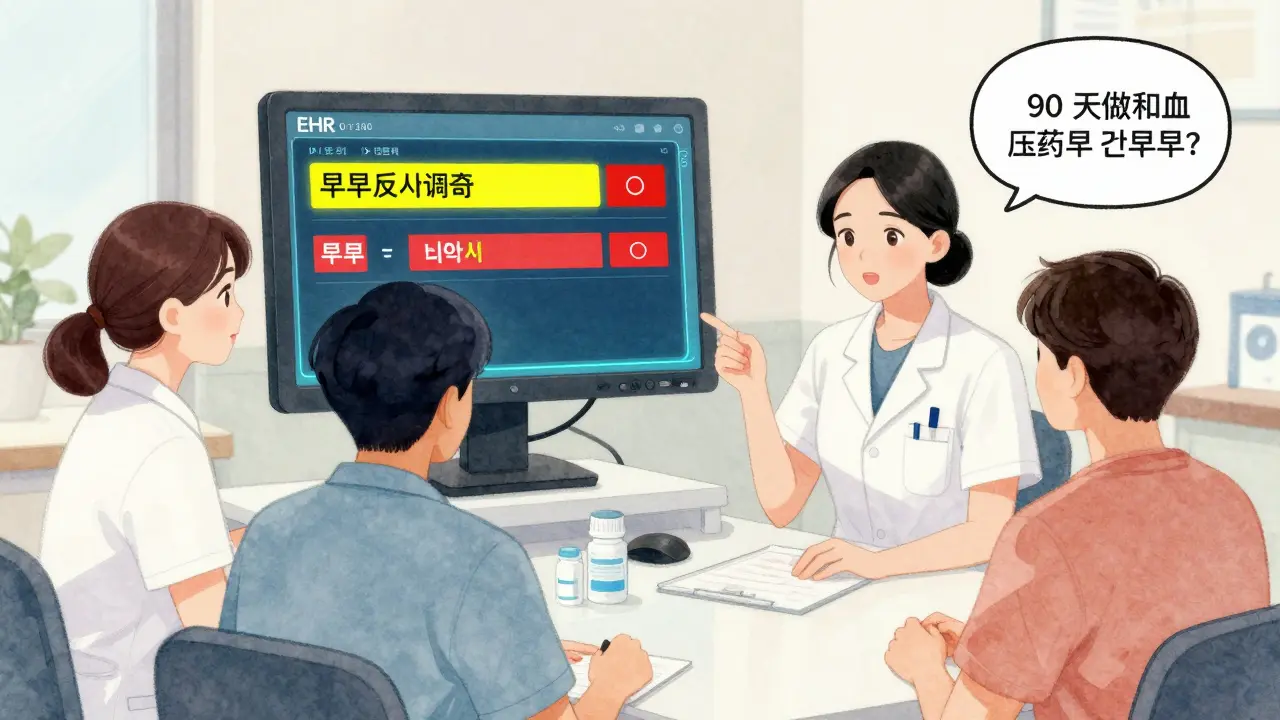
Use your EHR to set up automated alerts. If a patient requests a refill for a controlled substance 10 days early, the system should flag it and notify the pharmacist before the prescription is filled.
Use Technology to Catch Duplicates
Patients don’t always tell the truth. They might see a pain specialist, a family doctor, and a mental health provider-all prescribing different meds. One might not know the others are giving them the same drug.
Canada’s provincial drug information systems, like Ontario’s Drug Information System (DIS) or Alberta’s Pharmacy Network, let pharmacists see what other pharmacies have dispensed to a patient in the past 6-12 months. But not all pharmacists use them.
Here’s what you need to do:
- Register for access to your province’s clinical viewer.
- Check the patient’s history every time you fill a new prescription.
- Look for the same drug from multiple prescribers, or the same drug filled at multiple pharmacies within a short window.
- If you see a red flag, contact the prescriber. Don’t assume it’s an accident.
One pharmacist in Winnipeg caught a patient getting both gabapentin and pregabalin-two drugs with nearly identical effects for nerve pain-from two different doctors. She called both prescribers. One didn’t know the other had prescribed it. They both stopped it. The patient was referred for a pain management review.
Train Your Team to Ask the Right Questions
Staff are your first line of defense. But they need to know what to look for.
Train your pharmacy technicians and pharmacists to ask:
- “When was your last dose?”
- “Did you lose your medication or have it stolen?”
- “Are you seeing another doctor for this condition?”
- “Have you been taking it exactly as prescribed?”
Don’t just accept “I need it early because my insurance won’t cover it.” That’s a common excuse. Insurance doesn’t dictate when you can fill a prescription-your prescriber and the law do.
Also, teach your team to recognize behavioral signs: patients who are overly insistent, angry, or refuse to talk to the pharmacist. These aren’t always signs of addiction-but they’re signs you need to dig deeper.
Handle the Difficult Conversations
Refusing a refill is hard. Patients get upset. They may yell. They may threaten to leave. But safety comes first.
Use a script that’s firm but respectful:
“I understand you need this medication. But according to your records, you filled this prescription 12 days ago. Filling it again now puts you at risk for overdose and violates our safety policy. I’m happy to call your doctor and ask if they want to adjust your prescription. But I can’t fill it today.”
If you suspect drug misuse, document everything. Note the date, time, patient’s statements, and what you checked in the drug database. If patterns continue, report to your provincial college of pharmacists. You’re not accusing anyone-you’re protecting them.

Work With Prescribers, Not Against Them
Pharmacists and doctors need to be on the same page. Too often, they’re not.
Set up monthly check-ins with local prescribers. Share anonymized data: “Last month, we had 12 early refill requests for oxycodone from patients who also saw Dr. Lee. Could we coordinate on a pain management plan?”
Encourage prescribers to use EHR notes like “Cancel all prior refills” or “Do not refill until 28 days from fill date.” These simple phrases prevent automated systems from approving refills too soon.
Some clinics now sign prescriptions in advance for patients who are known to travel or be out of town. That way, refills are ready when needed-without last-minute calls or delays.
What Happens When You Don’t Act
Ignoring early refills doesn’t make the problem go away. It makes it worse.
Patients who get early refills are more likely to develop dependence. Studies show they’re twice as likely to end up in the ER for overdose or withdrawal.
Pharmacies that ignore red flags risk losing their DEA license or facing audits from provincial health authorities. In 2024, two Ontario pharmacies were fined $150,000 each for repeatedly filling early refills of controlled substances without proper documentation.
And the cost to the system? Millions of dollars wasted on unused or misused drugs. Every early refill that shouldn’t have happened is money taken from care that could have helped someone else.
Final Checklist: Your Action Plan
Here’s what you can do starting today:
- Review your top 10 most commonly refilled medications. Classify them as low, medium, or high risk.
- Set up automated alerts in your EHR for early refill requests on controlled substances.
- Ensure every pharmacist has access to your province’s drug information system.
- Train your staff to ask three key questions on every refill request.
- Establish a policy for refusing early refills-and document every refusal.
- Schedule a meeting with local prescribers to align on refill expectations.
- Track how many early refills you deny each month. If the number goes up, your protocol isn’t working.
Preventing early refills and duplicate therapy isn’t about being strict. It’s about being smart. It’s about caring enough to ask the hard questions-and doing your job even when it’s uncomfortable.
Ansley Mayson
February 3, 2026 AT 03:22Ellie Norris
February 4, 2026 AT 10:14Marc Durocher
February 5, 2026 AT 18:14Bob Hynes
February 7, 2026 AT 02:38clarissa sulio
February 9, 2026 AT 01:35jay patel
February 9, 2026 AT 15:39Murarikar Satishwar
February 11, 2026 AT 04:15Hannah Gliane
February 12, 2026 AT 00:29Monica Slypig
February 13, 2026 AT 14:34Gary Mitts
February 14, 2026 AT 01:08larry keenan
February 15, 2026 AT 00:29Nick Flake
February 16, 2026 AT 17:37Becky M.
February 17, 2026 AT 22:25Eli Kiseop
February 18, 2026 AT 15:13