
Serotonin Interaction & Safety Checker
Medication Interaction
Daily Dosage Indicator
Currently within typical therapeutic range.
Safety Warning: Recognizing Symptoms
Check boxes below if you are experiencing these while taking serotonergic substances:
You have selected multiple severe symptoms consistent with Serotonin Syndrome.
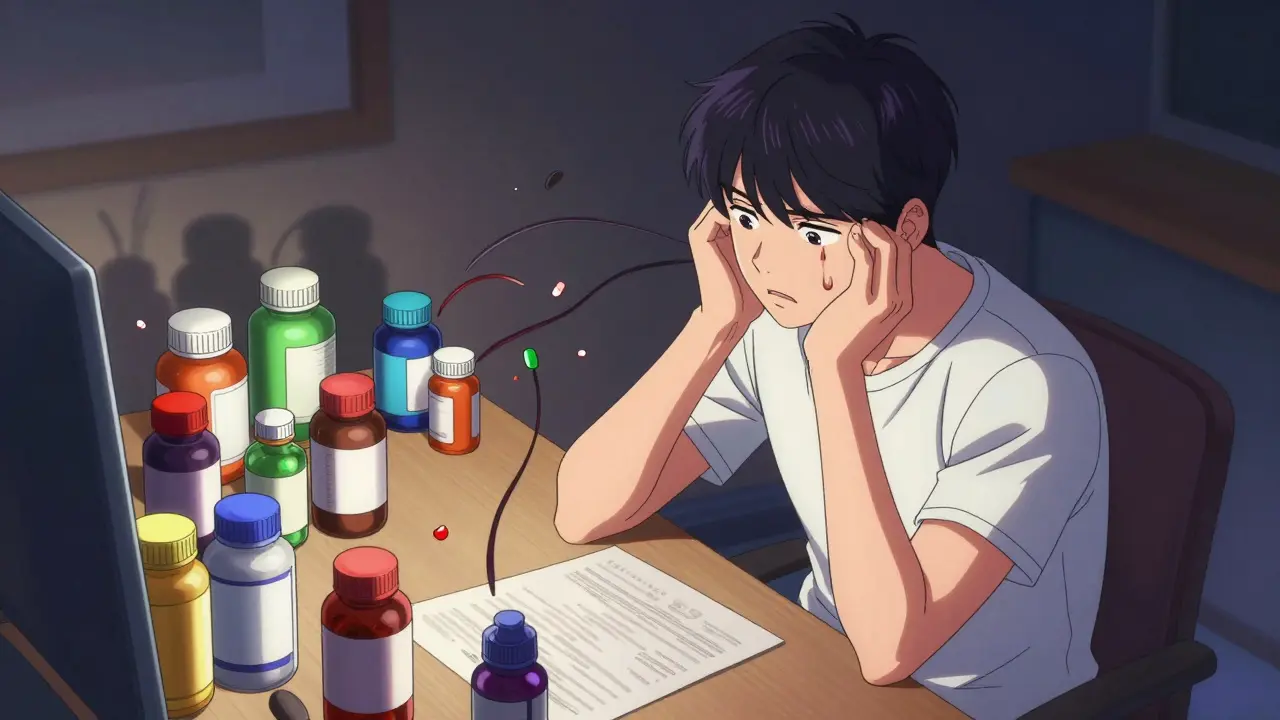
Millions of people manage depression daily with prescription medication, while others turn to natural supplements hoping for relief without side effects. The combination often leads to dangerous confusion. Mixing L-Tryptophan is a dietary supplement used for sleep and mood with antidepressants creates a direct pathway to Serotonin Syndrome, a life-threatening condition caused by excessive serotonin activity. You cannot simply add supplements to your regimen without understanding how they alter brain chemistry.
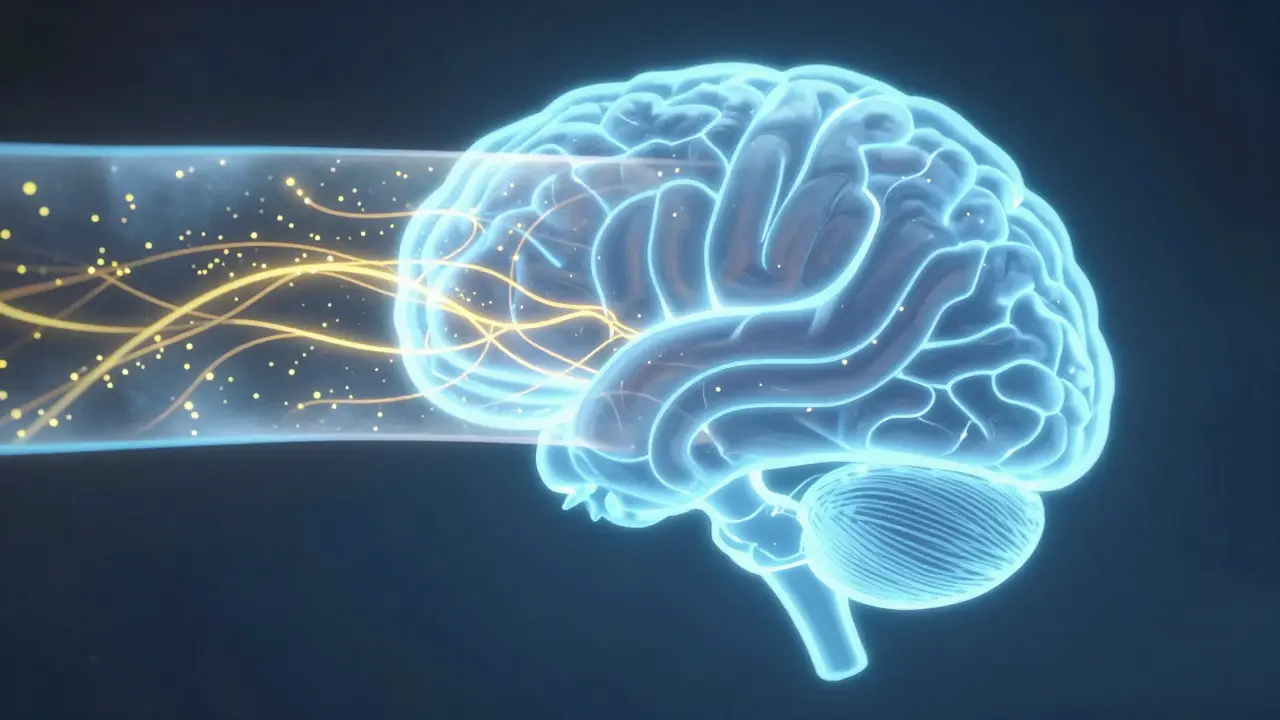
The science here is not just theoretical; it involves measurable changes in your blood and brain. To understand the risk, we need to look at the building blocks of happiness. L-Tryptophan is an essential amino acid, meaning your body cannot create it. You must get it from food or pills. Once consumed, it travels to your brain via the Blood-Brain Barrier, a selective membrane protecting the central nervous system. Inside the brain, enzymes convert it into serotonin, the chemical often linked to mood regulation. When you take an antidepressant, you are already manipulating this same chemical environment. Adding a precursor like tryptophan floods the system further.
Understanding the Biochemical Mechanism
To see why caution is necessary, consider the enzymatic process. Serotonin production relies on a two-step conversion. First, the enzyme tryptophan hydroxylase turns tryptophan into 5-hydroxytryptophan. Next, aromatic L-amino acid decarboxylase converts that into serotonin. This pathway is strictly dependent on how much tryptophan is available in your blood plasma. Research from the early 1990s showed that depleting tryptophan in the body drops brain serotonin synthesis by nearly 95% within a few hours. This proves the direct link.
However, the relationship is more complex than just "more tryptophan equals better mood." Recent systematic reviews, including a major umbrella analysis published in 2022, have challenged the classic view that depression is solely caused by low serotonin. While the pathway exists, other factors play huge roles. For instance, the Kynurenine Pathway, a metabolic route competing with serotonin production, may explain depression severity better in some cases. Despite this scientific debate, the immediate pharmacological risk remains unchanged: increasing serotonin precursors while blocking their reuptake creates a bottleneck effect that pressures the brain.
Antidepressant Class Differences and Risks
Not all antidepressants interact with tryptophan in the same way. The class of medication you take determines the severity of the risk. SSRIs (Selective Serotonin Reuptake Inhibitors) like fluoxetine or sertraline prevent serotonin from being recycled. When combined with high-dose tryptophan, serotonin builds up excessively in the synapse.
Studies using rapid tryptophan depletion show significant differences in patient responses. In patients treated with SSRIs who were in remission, removing tryptophan caused 47% of them to experience depressive symptoms returning within 5 to 8 hours. This indicates that their stability was highly dependent on maintaining external serotonin levels. Conversely, patients taking non-serotonergic drugs like bupropion showed zero relapse rates during similar depletion trials. This distinction is vital because it highlights that the risk is specific to serotonergic agents.
| MEDICATION CLASS | RISK LEVEL | MUTUAL MECHANISM |
|---|---|---|
| SSRIs | HIGH | Increase synaptic serotonin concentration |
| MAOIs | EXTREME | Block breakdown of serotonin |
| SNRIs | MEDIUM-HIGH | Affect serotonin and norepinephrine |
| Atypical Antidepressants | VARIABLE | Depends on specific receptor targets |
MAOIs (Monoamine Oxidase Inhibitors) present an even more dangerous scenario. These older drugs stop the breakdown of serotonin entirely. Combining them with tryptophan was effectively banned in clinical settings for years because the risk of toxicity was too high. Modern guidelines still strongly advise against this pairing. Even tricyclic antidepressants, which work differently, have shown enhanced prolactin release when mixed with tryptophan infusions, suggesting altered physiological signaling.
Clinical Evidence and Safety History
Safety records offer a sobering perspective on supplementation. In 1989, a contamination event involving tryptophan manufacturing led to Eosinophilia-Myalgia Syndrome, causing muscle pain and immune system attacks. This resulted in over 1,500 illness reports and deaths. While modern manufacturing standards are stricter, the incident highlighted the thin margin of safety with powerful amino acids.
Current professional consensus leans toward extreme caution. Surveys of psychiatrists reveal that roughly 73% avoid recommending tryptophan during active SSRI treatment. They cite unpredictable interactions as the primary reason. Some clinicians do support cautious augmentation strategies-for example, increasing doses gradually to monitor response-but this requires blood tests to keep levels in the therapeutic window of 80-120 μmol/L. Without monitoring, users risk overshooting this range.
User forums provide anecdotal data that contrasts with clinical warnings. Many individuals report improved sleep quality at lower doses (500mg), yet a significant portion report gastrointestinal distress. More concerning are reports of anxiety spikes when combining supplements with prescription meds. A community survey noted 15% of users mentioned noticing symptoms consistent with serotonin syndrome after exceeding 1,000mg daily while on antidepressants. This suggests individual tolerance varies widely.

Recognizing Toxicity and Managing Dosage
If you are considering adding this supplement, knowing the warning signs is your best defense. Serotonin syndrome symptoms appear quickly and escalate fast. Watch for agitation, confusion, rapid heart rate, tremors, and heavy sweating. If you notice muscle rigidity or high fever alongside your usual mood med, seek emergency care immediately. It is not a waiting game.
For those under strict medical supervision where supplementation might be allowed, dosage precision matters. Most therapeutic trials in clinical settings utilize doses between 1 gram and 3 grams per day. Anything above 5 grams daily lacks safety documentation. Furthermore, timing is critical. Some experts suggest spacing out intake to reduce peak concentration overlaps, though this does not eliminate systemic absorption risks.
Regulatory bodies differ globally. In Europe, the EFSA has permitted claims for psychological function maintenance at 1g/day. In North America, it remains a dietary supplement without specific therapeutic approvals. This gap means packaging warnings vary wildly. One manufacturer might list interactions clearly; another might omit them completely. Always verify the label against reliable medical databases rather than trusting marketing copy.
Frequently Asked Questions
Can I take L-Tryptophan while on Zoloft?
Combining L-Tryptophan with Zoloft (sertraline), an SSRI, carries a high risk of Serotonin Syndrome. You should consult your psychiatrist before attempting this combination. Most doctors recommend avoiding the mix due to unpredictable increases in serotonin levels.
What is the maximum safe dose of L-Tryptophan?
The generally accepted upper limit for safety is 5 grams per day. However, for therapeutic augmentation with antidepressants, clinical studies typically use 1 to 3 grams daily. Exceeding these amounts significantly raises toxicity risks.
Does L-Tryptophan help if antidepressants aren't working fully?
Some studies show benefit in partial responders to SSRIs. Success rates in augmentation strategies are reported around 63% in controlled settings. However, this requires strict medical supervision and blood monitoring to prevent serotonin overload.
How long until I see results from L-Tryptophan?
Unlike prescription meds that take weeks, tryptophan can cross the blood-brain barrier faster. Sleep benefits may appear within days, but mood stabilization usually requires a 4 to 6-week trial period at therapeutic doses to assess efficacy.
Are there safer alternatives to L-Tryptophan?
Melatonin is often safer for sleep issues without affecting serotonin pathways as aggressively. For depression management, sticking to prescribed medication adjustments guided by your doctor is far safer than unsupervised supplement stacking.
Jordan Marx
March 29, 2026 AT 11:30The enzyme tryptophan hydroxylase dictates the initial velocity of serotonin synthesis rates significantly. Blocking reuptake mechanisms while increasing substrate availability creates a pharmacological paradox in the synapse. Neurotransmitter depletion studies indicate rapid mood shifts following acute tryptophan removal interventions. Plasma levels of essential amino acids fluctuate based on dietary intake variability throughout the day. The blood brain barrier regulates transport mechanisms that often become saturated during supplementation. Enzymatic bottlenecks occur downstream when aromatic L-amino acid decarboxylase cannot process excess precursor loads. Receptor desensitization happens faster than anticipated in patients using high dose regimens continuously. Genetic polymorphisms in metabolizing enzymes affect how quickly individuals clear circulating serotonin concentrations. Clinicians observe distinct differences in therapeutic responses between SSRIs and SNRIs regarding augmentation strategies. Side effect profiles worsen considerably when physiological homeostasis is disrupted by external compound administration. Long term usage patterns suggest diminishing returns on mood stabilization benefits over extended timeframes. Regulatory guidelines fail to account for individual variations in metabolic clearance rates consistently. Patient adherence remains poor when complex dosing schedules interfere with standard daily medication routines. Monitoring serum markers provides necessary feedback loops for safe clinical management protocols. Ultimately safety margins are too narrow for unsupervised experimentation with potent bioactive substances.
Tony Yorke
March 30, 2026 AT 05:20Keep this in mind.
kendra 0712
April 1, 2026 AT 05:12OMG! This is so scary!!! We really need to be careful out there!!! Thank you for sharing this info!!!!
walker texaxsranger
April 2, 2026 AT 23:19Big pharma hates this simple fix they want us buying expensive pills instead Natural stuff works best without these chemical cocktails ruining your liver They profit from sickness not health
Sophie Hallam
April 4, 2026 AT 04:47It is important to understand the differences between medication classes. Everyone reacts differently to these supplements. We should always listen to our doctors regarding safety. There is a lot of nuance here.
Sarah Klingenberg
April 4, 2026 AT 05:49True story :) My friend tried it and felt terrible :( Best to stay safe for sure :P
Eva Maes
April 5, 2026 AT 13:03The narrative surrounding serotonergic toxicity is quite pungent indeed. These chemical bouquets of misery require extreme caution. One cannot simply sprinkle amino acids onto a cocktail of pharmaceutical sedatives without consequence.
tyler lamarre
April 6, 2026 AT 03:10Oh wow clearly we don't read labels before we ingest random powders. Thanks for explaining basic biology to people who refuse to learn. Stop eating chemicals and live your life.
Rachael Hammond
April 6, 2026 AT 03:40Its kinda confusing cuz the food has tryptophan too. like turkey makes u sleepy right. but pills r different i guess
Debra Brigman
April 6, 2026 AT 22:49Existential anxiety arises when we seek control over our neurochemistry. The body knows what it needs better than any external intervention. True harmony comes from internal balance rather than forced synthesis.
Shawn Sauve
April 7, 2026 AT 02:26You gotta respect the warning signs though :D dont push yourself too hard :(
Kameron Hacker
April 8, 2026 AT 22:00It is imperative that individuals cease self-medicating immediately. Compliance with established medical protocols is mandatory. Risk mitigation strategies must be prioritized over anecdotal evidence.
Austin Oguche
April 8, 2026 AT 22:59Important data to review. Appreciate the breakdown. Stay healthy friends.