
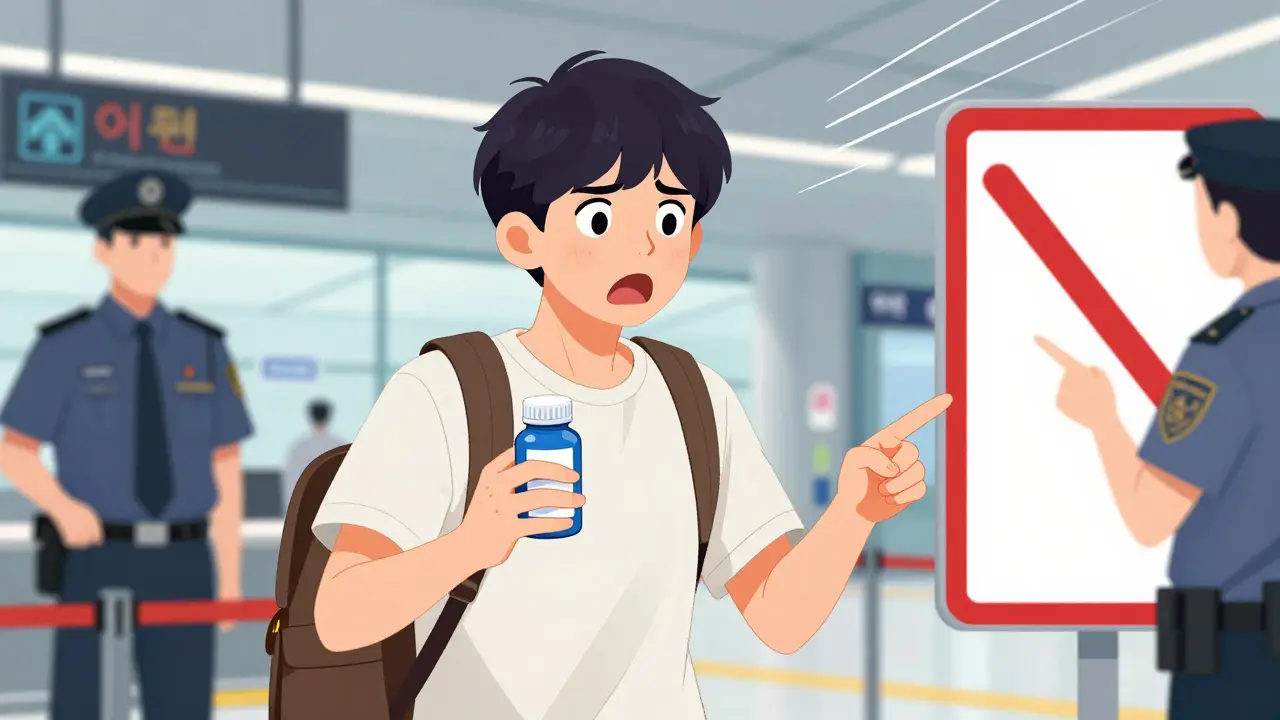
Why Legal Medicine Can Lead to Arrest Abroad
You might pack your standard cold medicine before a flight, expecting nothing more than a smooth trip. However, carrying common over-the-counter remedies can land you in serious legal trouble depending on where you land. Many substances considered safe and legal for purchase at a local pharmacy in North America are classified as controlled drugs elsewhere. This discrepancy isn't just a minor inconvenience; it carries the weight of criminal law.
Over-the-Counter Medications are health products available without a prescription in many countries. Yet, when you cross borders, the rules shift instantly. Recent statistics show a significant rise in enforcement actions against travelers unaware of these differences. For instance, American citizens facing medication-related legal issues in certain regions saw a spike in incidents compared to previous years. You cannot assume your prescription label protects you. Foreign officials often disregard domestic paperwork if the active ingredient violates their national laws.
The core issue lies in how different governments define narcotics and stimulants. What sells on a shelf in the U.S. might require a special import permit or be completely prohibited in Asia or the Middle East. Ignoring these distinctions puts your safety and freedom at risk. Below, we break down exactly which medicines face restrictions, which countries enforce them, and how to document your belongings correctly to avoid detention.
Restricted Medications by Country
| Active Ingredient | Brand Examples | Restricted In | Penalties |
|---|---|---|---|
| Pseudoephedrine | Sudafed | Japan, Mexico | Prohibited / Confiscation |
| Diphenhydramine | Benadryl | Zambia, Japan (w/o docs) | Confiscation / Fines |
| Codeine | Tylenol #3 | UAE, Greece, Indonesia | Prison Sentences |
| Zolpidem | Ambien | Egypt, Saudi Arabia | Ban / Detention |
| Alprazolam | Xanax | 31 Countries inc. UAE | Mandatory Prison Time |
The Hidden Risks of Decongestants and Antihistamines
Cold and allergy season means reaching for decongestants, but this simple habit can trigger alarm bells at customs. Pseudoephedrine is the active ingredient in many popular nasal sprays and tablets. It is used to relieve congestion, yet several nations view it strictly because it can be used to manufacture methamphetamine. In Japan, possession without authorization leads to prison time of up to five years. Mexico has similar zero-tolerance policies under their Pharmaceutical Affairs Laws.
Antihistamines present another challenge. Products containing diphenhydramine, commonly known by the brand name Benadryl, are flagged by customs officials in Zambia and parts of Japan. While often less severe than stimulant bans, officers still confiscate these items. In 2022 alone, over 1,800 items were seized from travelers entering jurisdictions with strict antihistamine rules. The logic follows that drowsiness-inducing drugs affect public safety and may be abused. Carrying them requires extra verification steps, including medical letters confirming necessity.
International Narcotics Control Board is an independent monitoring body. They track drug control treaties globally. Their database indicates that 78 countries have submitted specific medication regulations, leaving hundreds of millions of people in areas with opaque policies. Relying on the assumption that "it's safe at home" ignores these international gaps. Always check the specific destination list before packing your bag.
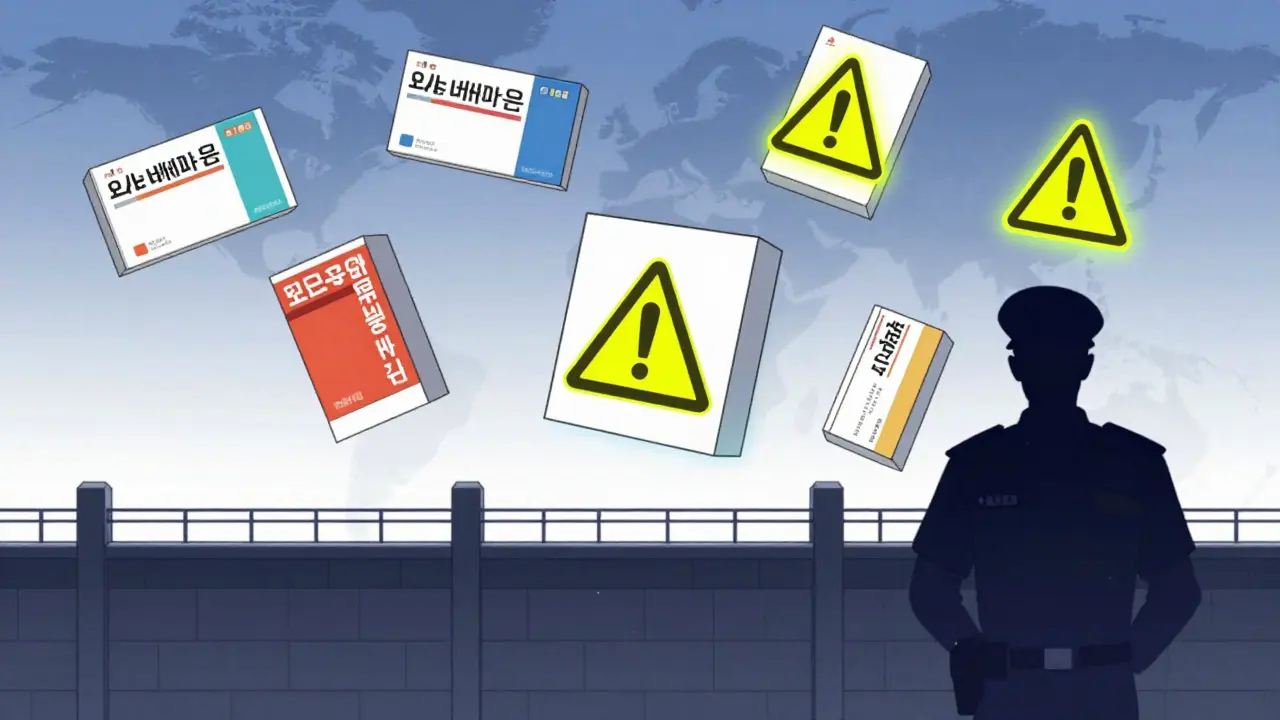
Narcotic Controls and Sedative Bans
Stronger painkillers and sleep aids face even tighter scrutiny. Codeine is found in cough syrups and pain relief formulas. Several nations classify this as a Schedule II controlled substance. In the United Arab Emirates, possession without proper documentation carries mandatory jail sentences ranging from one to three years. Greece and Indonesia maintain similar stances, requiring advance permits.
Sleep medications like zolpidem, sold widely as Ambien, are banned entirely in Egypt and Saudi Arabia. France requires advance permission for entry. Reports indicate dozens of travelers were detained recently for carrying unauthorized supplies. Sedatives such as alprazolam (Xanax) and diazepam (Valium) are restricted in 31 countries. These are often targeted because of addiction potential. Authorities in the UAE impose mandatory two-year prison terms for unauthorized possession. Even if you are not using them illicitly, having the pills in your luggage is sufficient grounds for charge.
ADHD medications add another layer of complexity. Stimulants like amphetamine-based drugs (Adderall) are prohibited in 22 countries including Sweden and Switzerland. Customs officers in these regions treat them similarly to hard street drugs. A documented medical need does not automatically grant immunity. Travelers need specific import certificates issued months before departure. Failure to obtain these documents results in immediate arrest upon arrival.
Centers for Disease Control tracks global health threats. Their guidance advises that travelers consider medication restrictions critical pre-travel information. They updated their Yellow Book to highlight these dangers after multiple citizen detentions between 2010 and 2015. The goal is prevention through awareness.Country-Specific Enforcement Patterns
Not every country enforces rules equally, but knowing where enforcement is strict is vital. Japan stands out with the world's toughest policies. Their Ministry of Health maintains a list prohibiting 26 common U.S. medications. Enforcement rates show nearly 94% of cases involve Sudafed or Benadryl. Unlike other places that might offer warnings, Japanese police often detain offenders immediately.
If you plan to visit Japan, you must secure a Yunyu Kakunin-sho, also known as an import certificate. This document takes 4 to 6 weeks to process. Without it, you cannot bring controlled substances even with a doctor's note. The approval rate sits around 68%, meaning applications can be rejected. You should email their official health ministry contact for questions, noting responses take about 72 hours.
The United Arab Emirates has perhaps the harshest penalty structure globally. Mandatory sentencing applies for codeine or sedative violations. There is little room for negotiation. Mexico, while closer geographically for many North Americans, bans pseudoephedrine completely. Mexico's rules can catch tourists off guard because the border feels open, but chemical restrictions remain rigid.
Thailand represents a middle ground where documentation matters most. They allow legal entry for many drugs but demand proof of medical necessity. Thousands of traveler incidents occurred last year simply due to missing paperwork. Turkey and South Korea fit this category too. Having the physical pill isn't enough; you need the paper trail matching your passport.
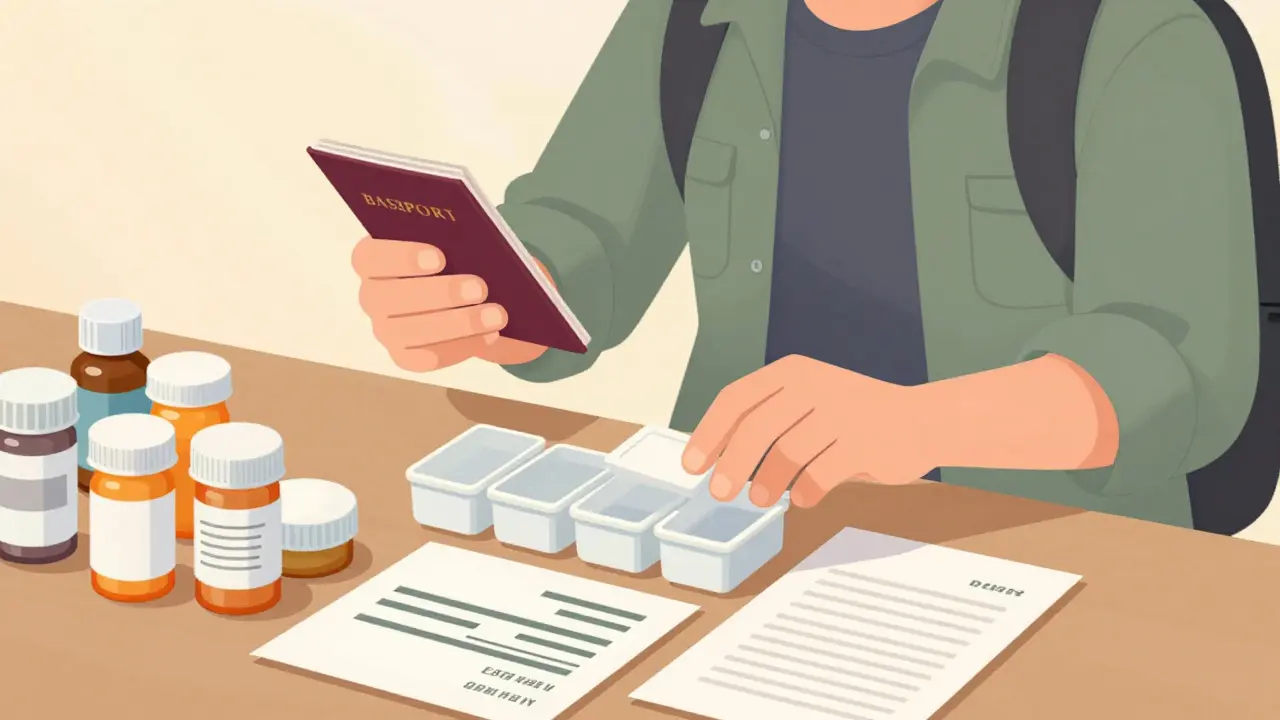
Preparation Protocols to Avoid Issues
Preparing for international travel involves more than booking tickets. You must manage your medication inventory proactively. Contact the destination country's embassy eight to twelve weeks before your trip. Waiting until the week of travel leaves no time to fix errors in permit applications. Some countries require specific forms only they can provide.
Keep all medicine in its original pharmacy container. The label on the bottle must match your passport name exactly. Removing pills into daily organizers strips away the identity of the medication. Officers cannot verify what the pills are without the manufacturer's imprint and pharmacist's seal. Unmarked containers lead to immediate suspicion and testing delays.
Obtain a signed letter from your prescribing physician. This letter should detail the generic name of the drug, the dosage, and why you need it. Using the International Nonproprietary Name is crucial. Brand names vary globally, and discrepancies confuse border agents. The letter reduces legal complications significantly based on incident data.
Check quantity limits. Some countries allow a 30-day supply, others a two-month maximum. Carrying bulk quantities looks suspicious. Stick to the minimum amount needed for your stay plus a small buffer for flight delays. Email addresses for specific queries, such as Japan's health ministry, should be noted well in advance.
Be aware of emergency contraception rules. Certain drugs like mifepristone are banned in 12 countries despite legal status back home. Women traveling to places like the UAE face detention risks for possession. This oversight is often missed during general prep.
U.S. Department of State provides consular support. They explicitly warn that a valid domestic prescription offers no protection under foreign law. Prescriptions expire quickly in customs eyes. Carry digital copies of these documents alongside the physical papers in case originals are confiscated.Can I carry Tylenol PM in my luggage?
Tylenol PM contains diphenhydramine and acetaminophen. While generally safe in the U.S., it requires documentation in countries like Japan and Zambia. Some locations ban it entirely. Check the specific ingredient list against the destination's banned substance registry before packing.
Does a doctor's note guarantee entry?
No. A doctor's note helps, but countries like Japan require specific import permits like the Yunyu Kakunin-sho. A standard prescription letter does not override local narcotics laws. You must verify if your destination accepts domestic notes or requires government-issued clearance.
What happens if they find banned meds?
Consequences range from simple confiscation to arrest and prison time. In nations like the UAE, penalties are mandatory. Always declare medicines at customs if unsure. Hiding items worsens the legal situation significantly.
How do I check if a med is banned?
Visit the International Narcotics Control Board website or contact the embassy of your destination country. Look for lists of controlled substances. The CDC Yellow Book also maintains updated guidance on restriction zones.
Are herbal supplements regulated?
Yes, especially those containing ephedra. Japan prohibits certain herbal supplements. Even natural products fall under pharmaceutical laws in many jurisdictions. Verify ingredients on the label against local banned lists.
Next Steps for Safe Travel
Understanding these regulations empowers you to move freely without fear. Start your checks early in the planning phase. Insurance policies now often cover medication issues, but relying on insurance after an arrest is stressful. Prevention is cheaper and safer.
Download official apps from your destination if available. Some nations like Japan offer digital tools to check legality. Keep all contact numbers for embassies handy. If stopped, stay calm and show your documents politely. Aggression escalates legal problems. Knowledge remains your strongest defense against regulatory confusion.
Brian Yap
March 31, 2026 AT 08:36Wow this is scary lol :) i hope everyone knows before flying next year
dPhanen DhrubRaaj
March 31, 2026 AT 17:15went to thailand last month and nearly lost my benadryl bottles at checkpoint staff were very strict about documentation requirements
Calvin H
April 1, 2026 AT 03:57another government overreach story sure why not lets just ban life itself
Charles Rogers
April 1, 2026 AT 15:46It is absolutely ridiculous how many people ignore these rules every single day without realizing the severity of the consequences involved in international law enforcement agencies. People seem to think their domestic pharmacy card grants them immunity from foreign statutes which is dangerously naive thinking for any reasonable traveler. We constantly see news reports of citizens getting arrested over simple decongestants they bought at Walmart yesterday morning. You cannot wave a prescription paper at a Japanese border guard and expect them to waive five years of mandatory prison time just because you had a cold. These regulations exist for legitimate reasons related to public safety and preventing substance abuse rings from exploiting lax borders. Ignoring the specific lists provided in this guide invites serious criminal liability that will ruin your entire future career prospects easily. I wish more families would read up on the Yunyu Kakunin-sho certificate requirements before booking a vacation to Tokyo next winter season. The penalties listed for things like codeine violations in the UAE are designed to act as absolute deterrents against unauthorized importation efforts. Travelers who skip this step are effectively signing a waiver for their own personal liberty without even reading the fine print details. Customs officers do not care about your health emergencies when they find controlled substances hidden in your checked luggage compartments. Many innocent people end up detained because they assumed brand name recognition meant legal access everywhere in the world map. The burden of proof is entirely on the passenger to demonstrate necessity and authorization through official channels well in advance. It really frustrates me to see comments suggesting these laws are overreaching when they clearly protect national security interests properly. We should all take responsibility for checking embassy websites rather than relying on outdated forums or social media advice posts. Education is the only shield against wrongful detention so please share this vital resource with anyone planning international flights soon.
Vikash Ranjan
April 2, 2026 AT 06:47you sound like you never actually been there so stop lecturing us on what real people face daily
Debbie Fradin
April 3, 2026 AT 09:47seriously if you carry xanax you are walking into a prison cell dont be stupid about it
Adryan Brown
April 3, 2026 AT 14:42We all need to calm down and realize that following rules is simply part of being a good global citizen who respects local sovereignty and avoids unnecessary conflict during transit phases. It is better to prepare the paperwork early than to argue with officials who simply enforce the law without exception clauses.
RONALD FOWLER
April 4, 2026 AT 20:26good info thanks
Marwood Construction
April 6, 2026 AT 00:57The information presented herein is indeed accurate regarding regulatory frameworks and pharmaceutical controls established by sovereign nations globally.
William Rhodes
April 7, 2026 AT 12:43Stay positive though we can still travel if we plan smart enough to keep our freedom safe
Dan Stoof
April 8, 2026 AT 22:42Absolutely!!! You are totally right about checking embassy lists before packing your bags!!! Fantastic advice!!!
Jonathan Alexander
April 9, 2026 AT 17:16This post just gave me immediate flight anxiety.
Michael Kinkoph
April 10, 2026 AT 21:06Your fear. Is completely unfounded. If one follows protocol!!! Ignorance leads to panic!