
Ever felt that spike of anxiety while standing in the security line, wondering if the officer is going to pull your pill organizer or liquid medication out of your bag for a secondary search? You aren't alone. With about 66% of American adults taking at least one prescription drug, the TSA is the Transportation Security Administration, a U.S. government agency responsible for security at airports and other transportation hubs has built a set of rules to keep planes safe without compromising your health. The good news is that federal regulations are generally very flexible when it comes to medical necessity, provided you follow a few specific steps.
The Golden Rule: Carry-On vs. Checked Bags
If there is one piece of advice to memorize, it is this: always keep your medications in your carry-on. Major carriers like United Airlines have an explicit policy against checking medical supplies. Why? Because bags get lost, temperature-controlled meds can freeze or overheat in the cargo hold, and if your flight is diverted, you might be separated from your life-sustaining prescriptions for hours or days. Whether it is a bottle of blood pressure pills or a specialized inhaler, keep it within arm's reach.
Dealing with the 3-1-1 Liquid Rule
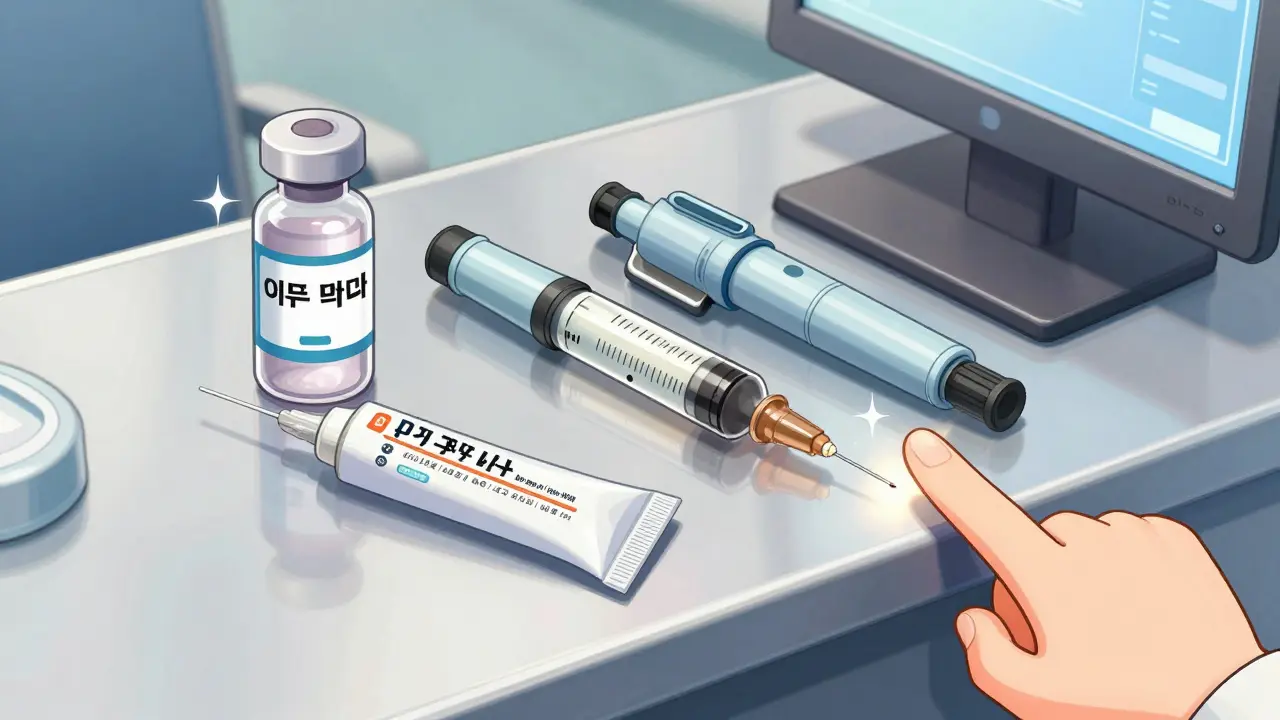
Most travelers know the dread of the "3-1-1" rule-the requirement that all liquids be 3.4 ounces or less. However, Prescription Medications are completely exempt from this restriction. You can bring larger quantities of liquid meds, creams, or gels, as long as they are medically necessary.
This exemption applies to a wide range of items, including:
- Insulin in pre-filled pens or Omnipod delivery systems.
- Prescription creams for psoriasis, eczema, or hydrocortisone.
- Saline solutions for contact lenses.
- Over-the-counter cough and cold syrups like DayQuil.
- Antibiotic ointments like Neosporin.
To make the process smooth, remove liquid medications from your bag and declare them to the TSA officer. If you have TSA PreCheck, you can typically leave these in your bag, but for standard screening, a quick "I have medical liquids here" saves everyone time.
| Item Type | Quantity Limit | 3-1-1 Rule Applies? | Recommended Location |
|---|---|---|---|
| Pills/Tablets | Unlimited | No | Carry-on |
| Liquid Meds | Unlimited (Medical) | Exempt | Carry-on |
| Injectables | Unlimited | Exempt | Carry-on |
| Medical Creams | Unlimited | Exempt | Carry-on |
The CBD and Marijuana Gray Area
This is where things get tricky. While many states have legalized cannabis, the TSA follows federal law. Medical Marijuana and CBD products containing more than 0.3% THC are strictly prohibited in both carry-on and checked luggage. Even if you have a valid state prescription, the federal government views these as controlled substances.
If you are traveling with CBD oil, make sure the label explicitly states it contains less than 0.3% THC on a dry weight basis. Even then, be aware that some TSA officers may still flag these items due to inconsistent enforcement. According to a GAO report, thousands of compliant CBD products were confiscated in 2023 due to officer confusion. If you can avoid bringing these on a flight, it is the safest bet to avoid delays.
Pro Tips for a Stress-Free Checkpoint
A surprising number of security delays happen not because of the medication itself, but because of paperwork. Internal data from airlines shows that about 78% of medication-related delays are caused by name mismatches. If your prescription says "Mike Smith" but your passport says "Michael J. Smith," an officer might flag it.
To prevent this, follow these professional strategies:
- Keep original labels: While the law doesn't always require original pharmaceutical packaging, the CDC warns that decanting pills into unlabeled containers leads to misidentification, especially at international borders.
- Get a physician's letter: If you use needles, pumps, or controlled substances, a brief note from your doctor explaining the medical necessity can end a questioning session in seconds.
- Manage temperature: If you use frozen gel packs for insulin, ensure they are completely frozen when you hit the security line. TSA allows them after a visual inspection.
- Use the Cares program: If you have complex medical equipment, call the TSA Cares line at 1-855-787-2227 at least 72 hours before your flight to arrange specialized assistance.
Going International: The Hidden Danger
Passing through the TSA is only half the battle. Once you land in another country, you are subject to that nation's laws. A medication that is legal in the U.S. could be a crime in another country. For instance, medications like Adderall or Xanax (Schedule II-V controlled substances) are strictly regulated or even banned in Japan, South Korea, and the UAE.
Before you leave, check the International Association for Medical Assistance to Travellers (IAMAT) database or the TSA app's integrated verification tool. If you are entering the U.S. from abroad, Customs and Border Protection (CBP) generally recommends bringing no more than a 90-day supply of medication to avoid suspicion of intent to distribute.
Do I need to take my pills out of the bottle at security?
No, you do not need to remove pills from their bottles. In fact, keeping them in the original labeled container is highly recommended to avoid delays and prove the medication is yours.
Can I bring a CPAP machine or an insulin pump through the X-ray?
Yes, you can. However, you have the right to request a visual inspection instead of X-ray screening for certain medical devices. It is best to notify the officer before you reach the belt.
What happens if the TSA officer doesn't believe my CBD is legal?
If the product contains less than 0.3% THC, it is federally legal. However, if the officer is unsure, they may confiscate it. Having a clear label showing the THC percentage is your best defense, but the final decision often rests with the agent.
Is there a limit to how many pills I can bring?
TSA does not have a quantitative limit on prescription medications. However, if you are crossing international borders, CBP usually suggests a 90-day supply. Anything beyond that may require additional documentation from your doctor.
Do I need to declare my medications?
You aren't required to declare every single pill, but you should definitely alert the officer to any liquid medications, syringes, or large medical devices to avoid a secondary search.
Next Steps for Travelers
If you are traveling with a simple daily pill regimen, just keep them in your carry-on and you are set. For those with complex needs-like those using a Continuous Glucose Monitor or liquid biologics-your priority should be documenting your needs. Contact TSA Cares a few days before your trip and double-check the laws of your destination country to ensure your medicine won't lead to a legal headache at the border.