
When you hear authorized generics, brand-name drugs made by the original manufacturer and sold under a different label at a lower price. Also known as generic versions of brand-name medications, they are identical in active ingredients, strength, dosage form, and performance to the name-brand version you know. Unlike regular generics, which are made by other companies after the patent expires, authorized generics come straight from the same factory, same equipment, same team. That means no guesswork — you get the exact same pill, capsule, or injection, just without the brand name on the box.
This matters because therapeutic equivalence, the guarantee that a generic drug works just like its brand-name counterpart isn’t just a regulatory checkbox. It’s what keeps patients safe when switching from expensive brand drugs to cheaper options. The FDA Orange Book, the official list of approved drug products with therapeutic equivalence evaluations is the backbone of this system. If a drug is listed as AB-rated, it’s been tested and proven to deliver the same results. Authorized generics don’t just meet that standard — they’re the gold standard, because they’re made by the same company that made the brand. No reformulation. No hidden differences in fillers or coatings. Just the same medicine, cheaper.
Why does this happen? Drugmakers sometimes launch an authorized generic to compete with other generics before their patent fully expires. It’s a business move, but it puts money back in your pocket. For patients on long-term meds — like blood pressure pills, antidepressants, or asthma inhalers — switching to an authorized generic can cut monthly costs by 50% or more. For clinics and pharmacies, it means fewer billing headaches and better adherence rates. And because they’re identical to the brand, doctors don’t have to worry about unexpected side effects or treatment failure. No trial-and-error. No patient confusion. Just a smoother, safer, and cheaper path forward.
But here’s the catch: not every generic is an authorized generic. Many patients get confused when their pharmacy swaps their brand for a different generic — one made by a different company. That’s still legal, and often safe, but it’s not the same as getting the exact same product from the original maker. Authorized generics remove that uncertainty. They’re the closest thing to the brand-name drug you can get without paying the brand price.
Below, you’ll find real-world guides on how to switch patients safely, what to watch for when comparing doses, and how these drugs fit into bigger systems like the FDA’s approval process and pharmacy procurement. Whether you’re a patient trying to save money, a provider managing transitions, or a pharmacy looking to cut costs, these posts give you the facts — no fluff, no marketing, just what works.
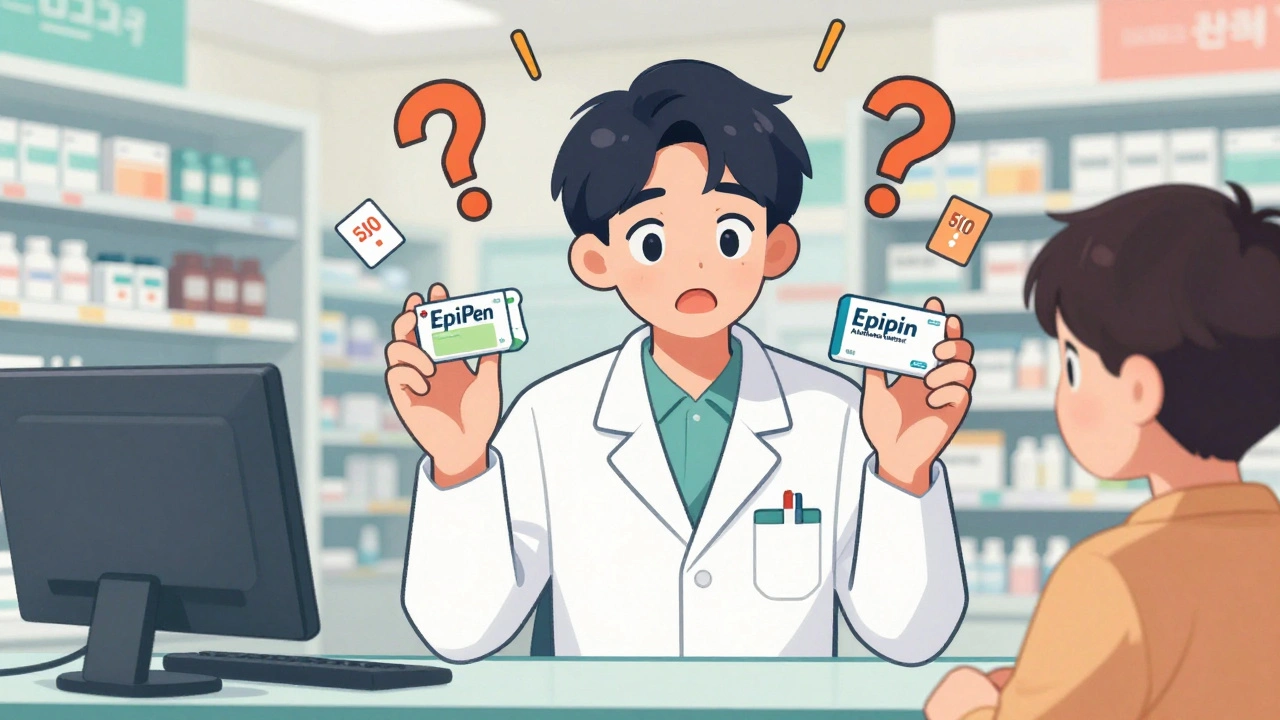
Not all drugs have authorized generics - and when they do, it's often a strategic move by brand manufacturers to control pricing. Learn why some drugs have them, others don't, and what it means for your prescription costs.
View more