
When you hear brand-name drug, a medication originally developed and marketed by a pharmaceutical company under a patent-protected name. Also known as originator drug, it’s the version you see advertised on TV — like Lipitor, Nexium, or Humira. These drugs carry high prices because the company invested years and millions to develop, test, and win FDA approval. But once the patent expires, other companies can make copies — and that’s where generic drugs, medications with the same active ingredient, strength, and dosage as the brand-name version come in.
The FDA doesn’t just let any company slap a label on a pill and call it a generic. Every therapeutic equivalence, the official rating that says a generic works just like the brand-name drug in the body must be proven through strict testing. That’s tracked in the FDA Orange Book, the official database that lists all approved drugs and their generic equivalents. If a generic is rated AB1 in the Orange Book, it means you can swap it for the brand without worrying about effectiveness or safety. But not all drugs have generics — and when they do, sometimes the brand company makes its own version called an authorized generic, a copy made by the original brand manufacturer, sold under a different label at a lower price. That’s not a trick — it’s a business move to keep market share.
Why does this matter to you? Because a brand-name drug can cost 10 to 20 times more than its generic twin — even though they contain the exact same medicine. A study from the Congressional Budget Office found that generics save the U.S. healthcare system over $300 billion every year. That’s money you could be saving on your prescriptions. But it’s not just about price. Some people worry generics don’t work as well. They do. The FDA requires them to be bioequivalent — meaning they get into your bloodstream at the same rate and amount as the brand. If you’ve ever switched from one generic to another and felt a difference, it’s likely due to inactive ingredients, not the active drug. Those can affect how the pill dissolves, but rarely the outcome.
What you need to know: ask your pharmacist if a generic is available. Check the Orange Book online if you’re curious. Don’t assume your brand-name drug is the only option. And if your doctor says you need the brand, ask why — is it because of a narrow therapeutic index, like with warfarin or levothyroxine? Or is it just habit? Most of the time, the generic is just as safe and effective. The system is designed to protect you — not to keep you paying more.
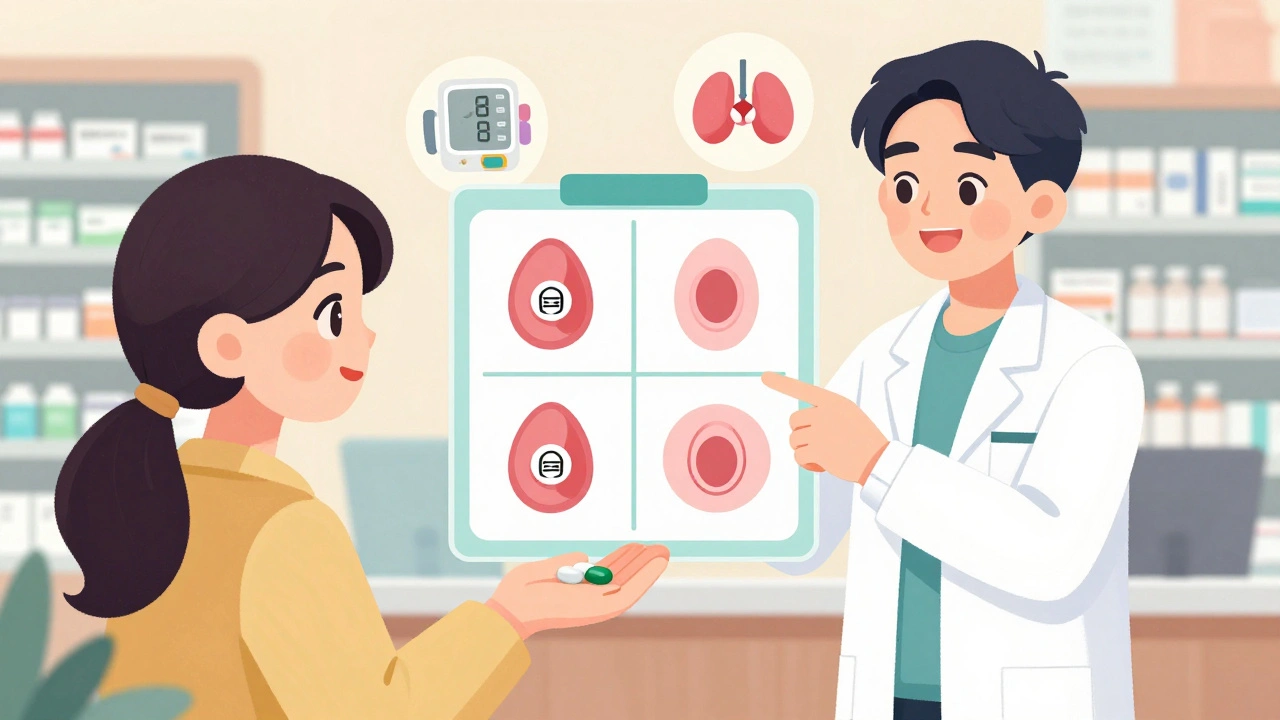
Authorized generics offer the exact same medication as brand-name drugs at lower prices. Learn how to safely switch patients - especially those on critical medications - without risking side effects or treatment failure.
View more