
When you’re taking digoxin, a cardiac glycoside used to treat heart failure and irregular heart rhythms. Also known as digitalis, it’s been helping patients manage heart conditions for over 200 years. Most people get it now as a digoxin generic, a lower-cost version of the brand-name drug that meets the same FDA standards for active ingredient, strength, and performance. But here’s the thing: just because it’s generic doesn’t mean all versions work the same for everyone. Some people notice differences in how they feel after switching — faster heartbeat, dizziness, nausea. That’s not just in their head. It’s real, and it’s tied to how the body absorbs the drug.
Therapeutic equivalence matters here. The FDA says generics are equivalent if they deliver the same amount of medicine into the bloodstream at the same rate. But with digoxin, a drug with a narrow therapeutic index, even tiny changes in absorption can cause trouble. A 10% difference in blood levels might push someone from safe to toxic. That’s why some doctors avoid switching patients unless they’re sure the generic is reliable. And not all manufacturers make the same quality. Some use different fillers or coatings that change how the pill breaks down in your gut. If you’ve been stable on one brand of generic and your pharmacy switches to another, pay attention. That’s when side effects show up.
Many people don’t realize that therapeutic equivalence, the system the FDA uses to rate generic drugs, doesn’t always tell the whole story for digoxin. The Orange Book lists generics as interchangeable, but real-world data shows some patients do worse after switching — especially older adults or those with kidney issues. That’s why bulk purchasing, while great for lowering costs, can sometimes mean getting a different generic than what you’ve been on. It’s not about the price — it’s about consistency. If you’re on digoxin, ask your pharmacist: which manufacturer’s version are you getting? Can you stick with the same one? And if you feel off after a switch, don’t assume it’s just aging. Get your blood levels checked.
There’s no magic formula. But knowing that digoxin generics aren’t all created equal gives you power. You don’t have to accept a switch without asking questions. You don’t have to ignore new symptoms. And you don’t have to pay more for a brand name if a trusted generic works fine. The posts below break down exactly what to look for — from how to spot a bad generic switch, to why some patients do better on one version over another, to what the FDA really says about bioequivalence in heart meds. Whether you’re a patient, caregiver, or provider, these stories will help you make smarter choices without overspending.
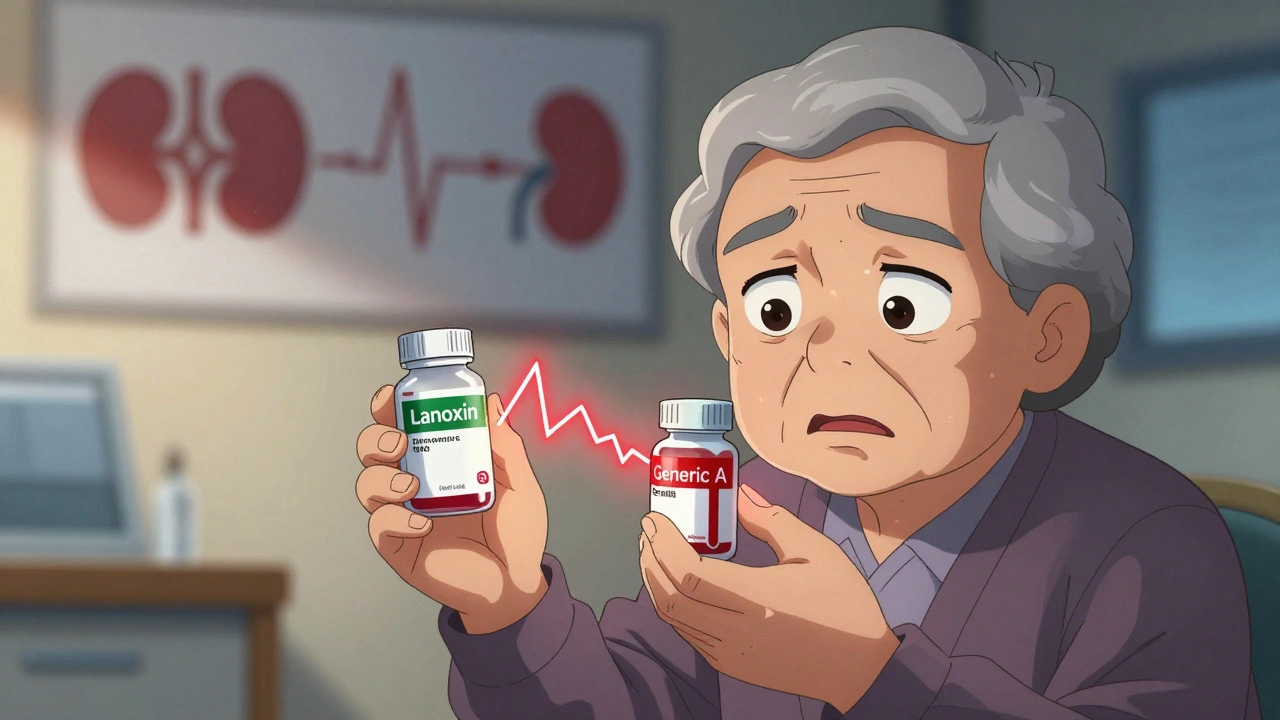
Digoxin generics may be bioequivalent on paper, but small differences in absorption can cause dangerous toxicity or treatment failure. Learn why consistent use and blood monitoring are critical for safe therapy.
View more