
When someone is told they’re allergic to a drug—like penicillin—it sticks. Even if the reaction happened decades ago, or wasn’t a true allergy at all, that label can follow them for life. This is where drug allergy de-labeling, the process of safely removing incorrect or outdated drug allergy labels from a patient’s record. Also known as allergy reassessment, it’s a simple but powerful way to fix a problem that affects millions. Many people carry a penicillin allergy label they never had, or only had once as a child. But that label can lead to worse drugs, longer hospital stays, and higher costs—all because no one checked if it was real.
True drug allergies are rare. Most reactions labeled as allergies are side effects, rashes from infections, or just bad timing. The false allergy label, an incorrect or unverified claim that a patient is allergic to a medication. Also known as misattributed drug reaction, it is one of the most common errors in medical records. Studies show over 90% of people who think they’re allergic to penicillin can safely take it after proper testing. That’s not just a small improvement—it’s life-changing. Better antibiotics, fewer side effects, lower risk of resistant infections. All because someone took the time to ask: "Are you sure?"
De-labeling isn’t just about skin tests or oral challenges. It’s about changing how we think about drug reactions. It requires doctors, pharmacists, and patients to work together. It means asking questions like: "What happened exactly?" and "Was it documented by a doctor?" It means knowing that a rash from a virus isn’t the same as anaphylaxis. And it means understanding that a reaction from 20 years ago doesn’t mean you’re still allergic today.
The medication safety, the practice of preventing harm caused by drugs through accurate records, proper dosing, and informed decisions. Also known as pharmaceutical safety, it depends on accurate allergy information. When a patient is wrongly labeled, they get broader-spectrum antibiotics, which can lead to C. diff infections, kidney damage, or longer recovery times. De-labeling flips that script. It brings patients back to safer, more effective treatments—often at lower cost.
There’s no magic test. But there are clear steps: review the history, rule out other causes, and when needed, do a supervised challenge. Many clinics now offer allergy clinics just for this. And the results? Over 95% of people who go through the process walk away with a safer, more accurate label.
What you’ll find in the posts below are real stories, real data, and real strategies from people who’ve seen this work. From how penicillin allergies are misdiagnosed in hospitals, to how pharmacies are starting to flag suspicious labels, to what patients can ask their doctors to get tested. This isn’t theory. It’s happening now—and it’s saving lives one label at a time.
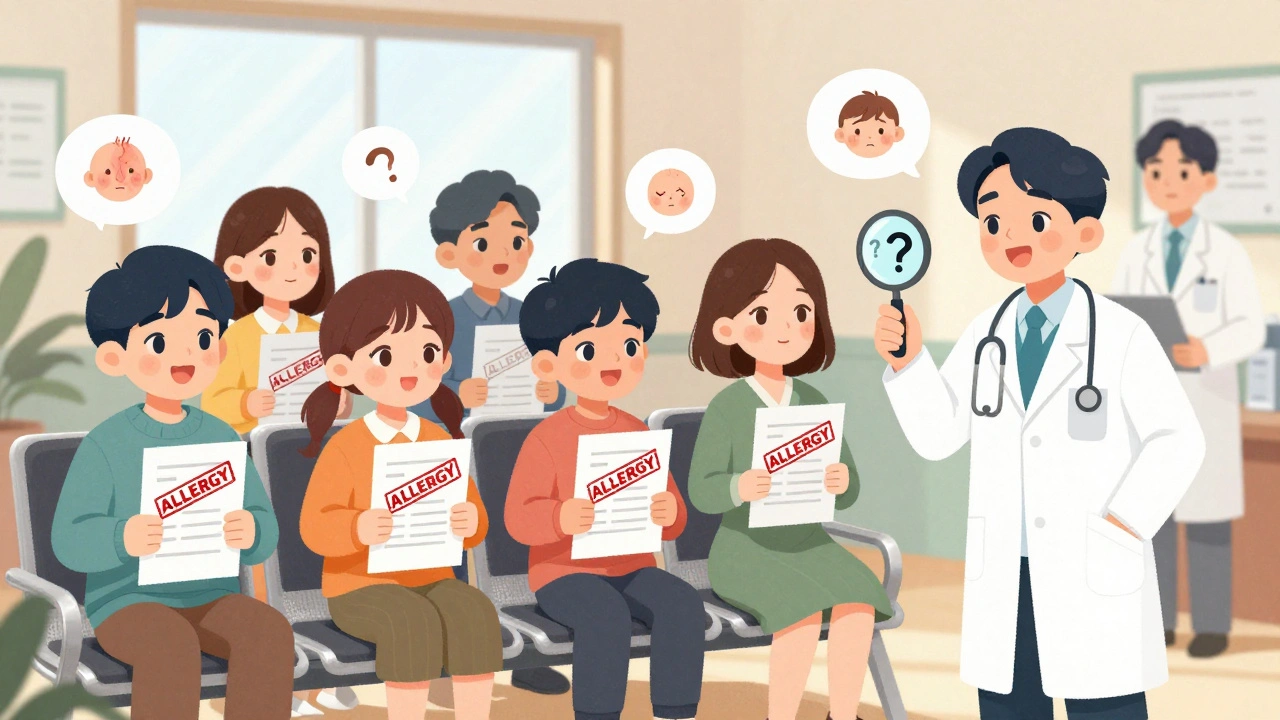
Over 95% of people labeled allergic to penicillin aren’t truly allergic. Learn how testing can safely remove false labels, improve treatment, cut costs, and fight antibiotic resistance.
View more