
When a medicine and a delivery tool work together as one product, you’re looking at a drug-device combination, a regulated product that merges a pharmaceutical with a medical device to deliver treatment more effectively. Also known as combination products, these aren’t just pills in a bottle—they’re patches you stick on, inhalers you breathe through, or injectors that auto-deliver insulin. The FDA treats them as a single unit because the drug and device are interdependent: neither works right without the other. This isn’t science fiction—it’s daily care for millions managing diabetes, asthma, chronic pain, or autoimmune conditions.
These combinations solve real problems. Think of a fentanyl patch: the drug is powerful, but without the adhesive backing that controls how fast it enters your skin, it could be deadly. Or an auto-injector for epinephrine: the device isn’t just a container—it’s designed so even someone panicked can use it correctly in an allergic emergency. The drug delivery systems, the mechanisms that transport medication into the body at the right rate and location make all the difference. And when these systems are poorly designed or misunderstood, errors happen—like patients using heating pads with fentanyl patches, which can cause overdose. That’s why the FDA requires extra testing for these products: they’re not just drugs, not just devices—they’re both, and the interaction matters.
There’s also a growing push for combination therapy, using drug-device pairs to treat complex diseases with fewer steps and better outcomes. In cancer care, targeted therapies now come in infusion pumps that time doses precisely. For asthma, smart inhalers track usage and send reminders to your phone. Even in pain management, wearable devices release medication only when sensors detect inflammation spikes. These aren’t just upgrades—they’re shifts in how we think about treatment. You’re no longer just taking a pill; you’re interacting with a system designed to keep you safe and on track.
But it’s not all smooth sailing. These products are expensive. Getting them approved takes years. And many patients don’t even know they’re using one—until something goes wrong. That’s why understanding how your treatment works matters. If you’re on a transdermal patch, an inhaler, or an implantable pump, you need to know how heat, movement, or storage affects it. You need to ask: Is this device calibrated? Is the drug dose consistent? Is there a backup plan if it fails?
Below, you’ll find real-world guides on how these products affect safety, cost, and daily life. From how heat changes fentanyl absorption to why some combination drugs don’t have generic alternatives, the posts here cut through the noise. You’ll learn what to watch for, what to ask your provider, and how to avoid common mistakes that put your health at risk. This isn’t theory—it’s what’s happening in clinics, pharmacies, and homes right now.
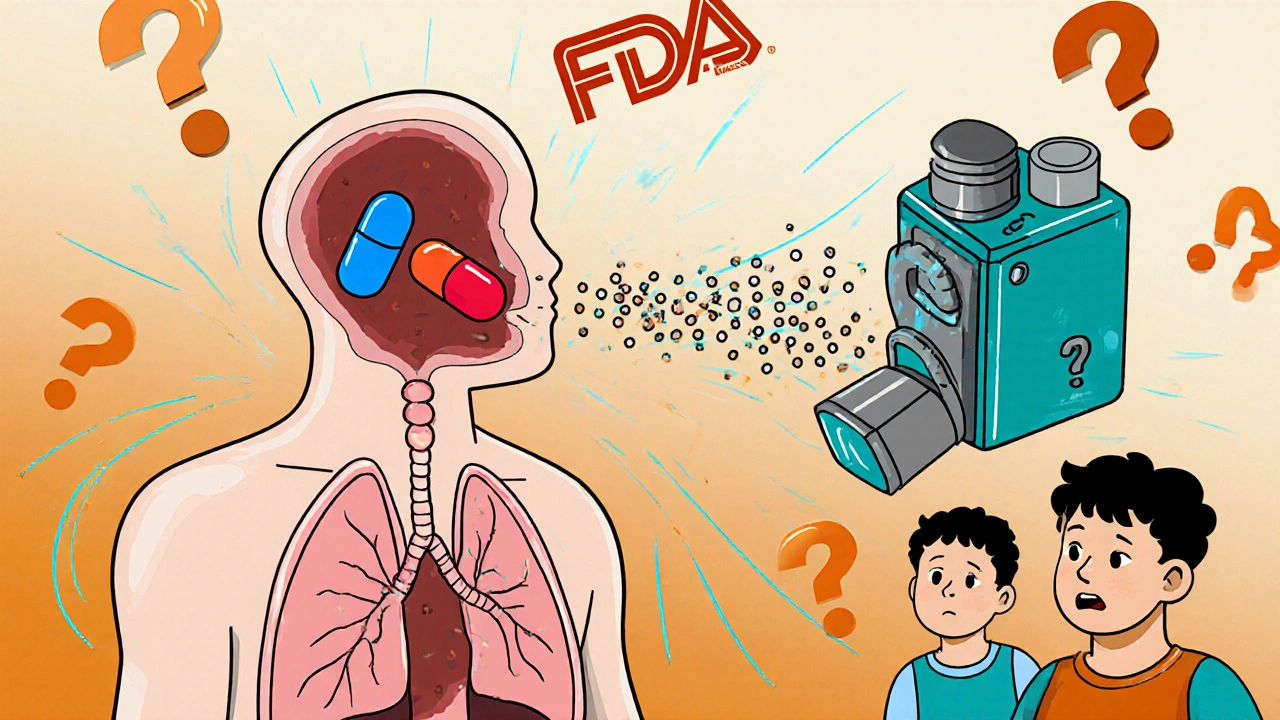
Bioequivalence testing for combination products-like fixed-dose pills, topical creams, and inhalers-is far more complex than for single-drug generics. Learn why these products face higher failure rates, higher costs, and regulatory hurdles that delay affordable access.
View more