
When someone says they're allergic to penicillin, most doctors assume it's true—until they find out it's a false drug allergy, a mislabeled reaction that isn't an immune response but is often mistaken for one. Also known as drug intolerance, it's one of the most common and dangerous misdiagnoses in medicine. Up to 90% of people who think they're allergic to penicillin aren't. They had a rash, nausea, or dizziness years ago, got labeled allergic, and never got tested again. That label sticks—even when it's wrong—and it changes everything about their care.
A false drug allergy isn't just inconvenient. It leads to worse outcomes. If you're told you're allergic to penicillin, you might get a broader, more expensive antibiotic instead. Those drugs can cause more side effects, kill off good gut bacteria, and even lead to infections like C. diff. And it's not just penicillin. People get labeled allergic to sulfa drugs, NSAIDs, or even chemotherapy agents based on vague symptoms that had nothing to do with their immune system. The truth? Many reactions are side effects, not allergies. Nausea from an antibiotic? Side effect. Headache after a painkiller? Not an allergy. A rash from a viral infection that happened to show up while you took a drug? Still not an allergy.
What makes this worse is that few patients ever get retested. No one asks. No one explains. And without a proper skin test or graded challenge, the label stays forever. But here's the good news: if you’ve been told you’re allergic to a drug you actually need, you can get tested. It’s safe. It’s simple. And it can open up better, cheaper, safer treatment options. For someone with chronic pain, a false allergy to NSAIDs might mean relying on opioids. For someone with an infection, a mislabeled penicillin allergy could mean a longer hospital stay. These aren’t small things.
That’s why the posts here matter. You’ll find real stories and data on how drug reactions are misunderstood—like why antibiotic intolerance gets confused with allergy, how medication side effects are misreported, and what happens when patients are wrongly denied life-saving treatments. You’ll see how drug allergy misdiagnosis affects everything from pregnancy care to chronic disease management. These aren’t theoretical concerns. They’re daily realities for millions.
What follows isn’t just a list of articles. It’s a guide to cutting through the noise. You’ll learn how to tell the difference between a true allergy and a side effect, what questions to ask your doctor, and how to get tested if you’ve been labeled allergic for years. This isn’t about fear. It’s about clarity. And if you’ve ever been told you can’t take a drug because of an allergy—this is your chance to find out if that’s really true.
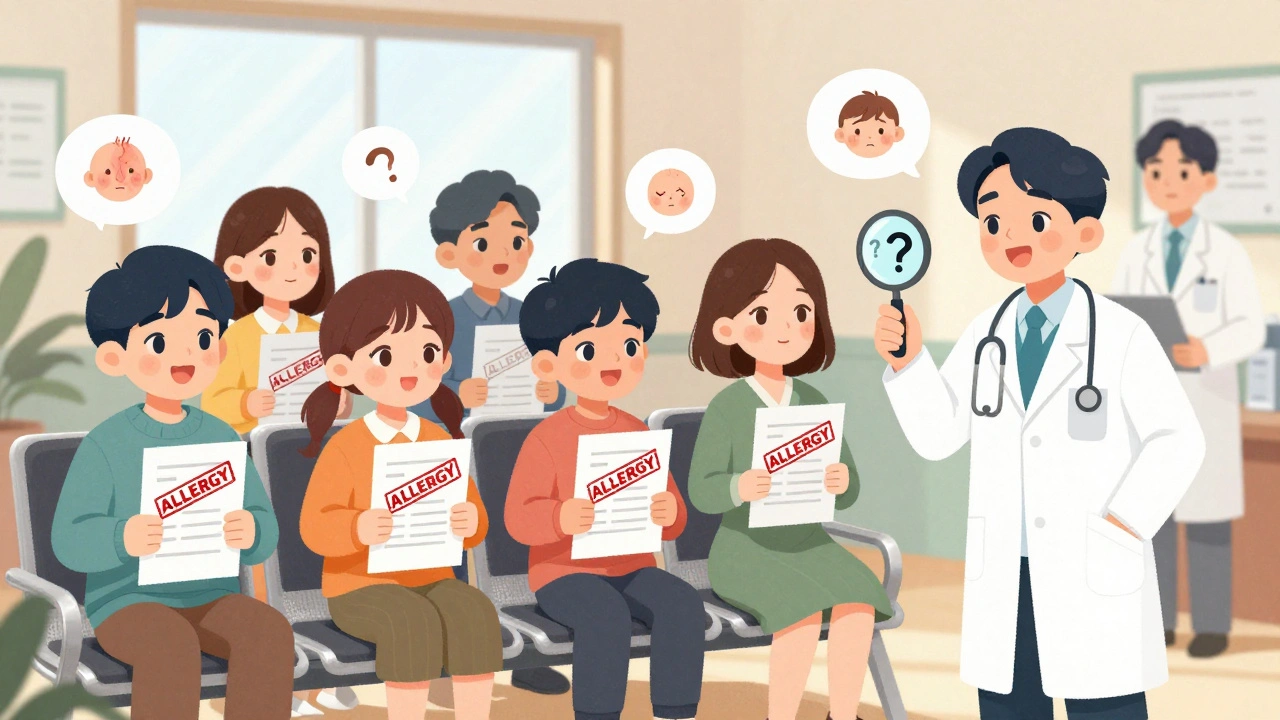
Over 95% of people labeled allergic to penicillin aren’t truly allergic. Learn how testing can safely remove false labels, improve treatment, cut costs, and fight antibiotic resistance.
View more