
When you hear FDA generics, brand-name drugs that are legally approved by the U.S. Food and Drug Administration to be identical in active ingredients, strength, dosage form, and route of administration. Also known as generic medications, they’re the backbone of affordable healthcare in the U.S. and beyond. These aren’t cheap knockoffs—they’re scientifically proven to work just like the original. The FDA doesn’t approve a generic unless it delivers the same clinical results, in the same way, at the same rate. That’s not marketing. That’s science.
Behind every FDA generic is a process called bioequivalence, the testing that proves a generic drug releases the same amount of active ingredient into the bloodstream at the same speed as the brand-name version. It’s not just about matching ingredients—it’s about matching how your body absorbs and uses them. For simple pills, this is straightforward. But for complex products like inhalers, patches, or combination drugs, the testing gets harder. That’s why some generics take longer to hit the market. And why the FDA Orange Book, the official list of approved drug products with therapeutic equivalence evaluations. is your best tool to check if a generic is truly interchangeable with your brand-name prescription.
Then there’s the authorized generic, a version made by the original brand-name company itself and sold under a different label at a lower price. It’s the exact same pill, same factory, same packaging—just without the brand name. These are often the smoothest switch for patients on critical meds like epilepsy drugs or blood thinners, where even tiny differences can cause problems. And when you buy in bulk, as clinics and pharmacies do, you’re not just saving money—you’re making treatment accessible to people who otherwise couldn’t afford it.
But not all generics are created equal in practice. Some patients report feeling different after switching, even when the FDA says they’re equivalent. That’s often because of inactive ingredients—fillers, dyes, or coatings—that can affect absorption or trigger sensitivities. For drugs with a narrow therapeutic index—like warfarin or lithium—these small differences matter more. That’s why your doctor or pharmacist might stick with one brand of generic, even if another is cheaper.
What you’ll find below isn’t just a list of articles. It’s a practical guide to navigating the real-world side of FDA generics. You’ll learn how to safely switch patients, why some combination drugs fail bioequivalence tests, how heat can turn a fentanyl patch into a danger, and how pharmacies are using EHR systems to reduce errors when dispensing generics. We’ll break down myths, expose hidden risks, and show you how to use the system to your advantage—whether you’re a patient, caregiver, or provider.
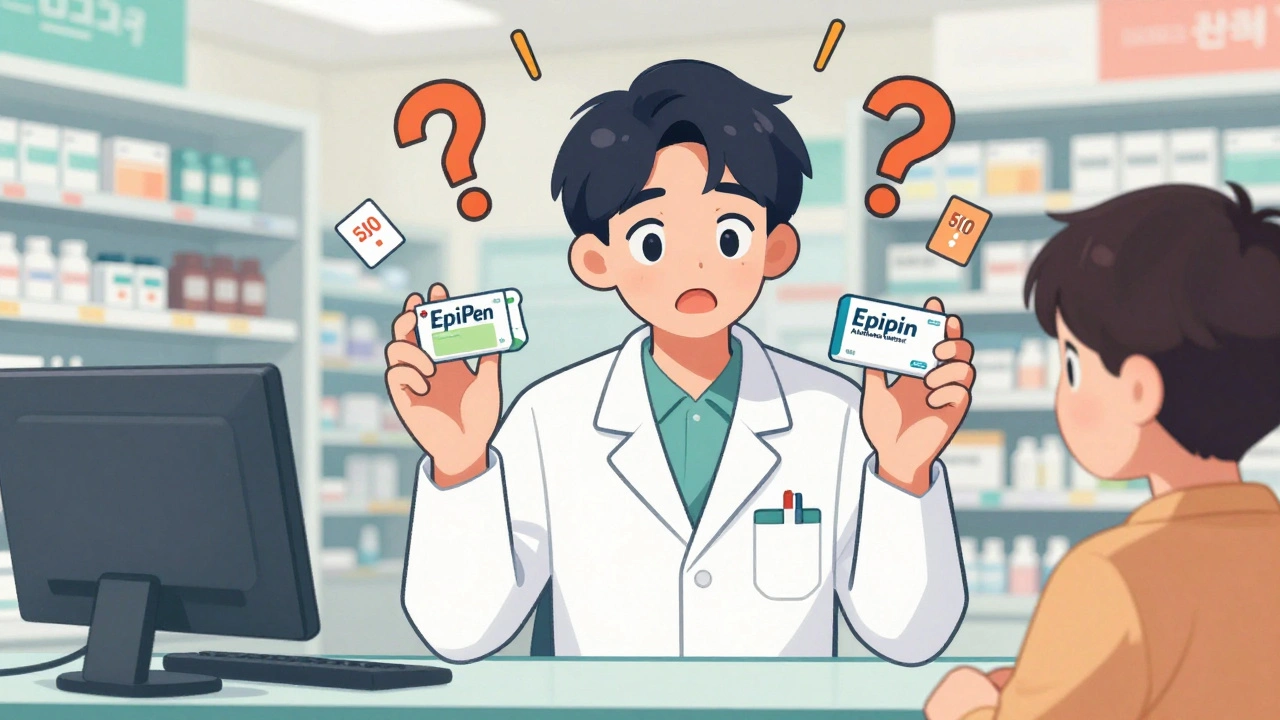
Not all drugs have authorized generics - and when they do, it's often a strategic move by brand manufacturers to control pricing. Learn why some drugs have them, others don't, and what it means for your prescription costs.
View more