
When you take a fixed-dose combination, a single pill that contains two or more active drugs in set amounts. Also known as fixed-dose combination therapy, it’s designed to make treatment easier—especially for chronic conditions like high blood pressure, HIV, or tuberculosis. Instead of swallowing three separate pills, you take one. Sounds simple, right? But behind that convenience is a complex balance of effectiveness, safety, and cost.
These combinations aren’t just random mixes. They’re carefully chosen so the drugs work well together—like amlodipine and lisinopril for hypertension, or tenofovir and emtricitabine for HIV. But here’s the catch: once the doses are locked in, you can’t adjust them. If your doctor needs to tweak the amount of one drug, you might have to switch back to separate pills. That’s why therapeutic equivalence, the guarantee that a generic version works just like the brand-name combo matters so much. The FDA’s Orange Book tracks these, but not all combinations have approved generics. And when they do, differences in inactive ingredients or release patterns can still cause problems—especially with NTI drugs, narrow therapeutic index medications where small changes in dose can lead to serious side effects or treatment failure.
Doctors use fixed-dose combinations to improve adherence. Patients who take fewer pills are more likely to stick with their treatment. But that doesn’t mean they’re right for everyone. Some people need precise dosing. Others react differently to certain fillers or coatings. And if you’re switching from brand to generic combo, you need to know if it’s truly equivalent—not just in active ingredients, but in how your body absorbs them. That’s why the posts below dig into real-world risks: how dose differences in combination drugs can slip through the cracks, why some generics aren’t as safe as they seem, and how to spot when a combo might be doing more harm than good.
What you’ll find here aren’t just theory-heavy articles. These are practical guides from people who’ve seen the fallout—patients who got sick after a switch, pharmacists who caught dangerous mismatches, and providers who learned the hard way that one-pill convenience doesn’t always mean one-pill safety.
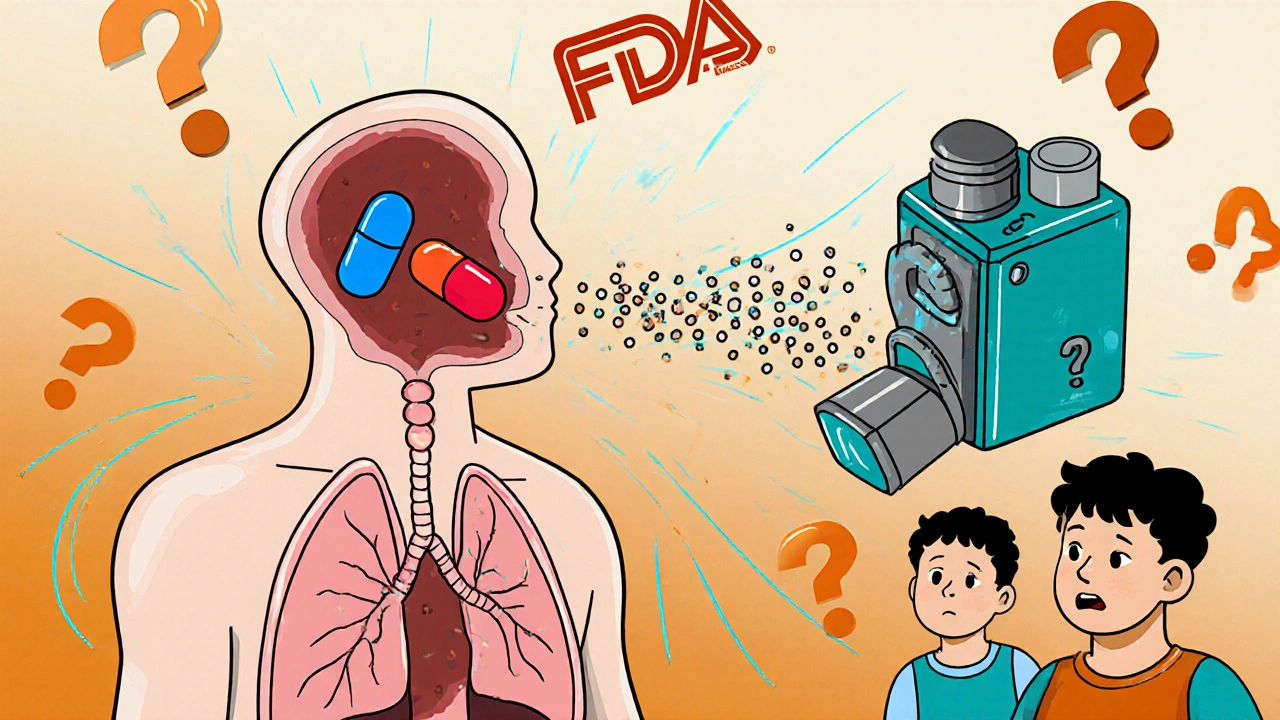
Bioequivalence testing for combination products-like fixed-dose pills, topical creams, and inhalers-is far more complex than for single-drug generics. Learn why these products face higher failure rates, higher costs, and regulatory hurdles that delay affordable access.
View more