
When you hear generic medications, lower-cost versions of brand-name drugs that contain the same active ingredients and meet the same standards for safety and effectiveness. Also known as non-brand drugs, they make up over 90% of prescriptions filled in the U.S. and are a lifeline for people managing chronic conditions on tight budgets. But here’s the thing: just because a pill looks different or costs less doesn’t mean it’s always interchangeable. Some generic medications, like authorized generics, exact copies of brand-name drugs made by the original manufacturer under a different label, are identical in every way—including inactive ingredients. Others? They might have tiny differences in how they’re absorbed, and that can matter a lot if you’re on a drug with a narrow therapeutic index, a category of medications where even small changes in blood levels can cause serious harm or treatment failure, like digoxin, warfarin, or phenytoin.
Therapeutic equivalence isn’t just a label—it’s a system. The FDA’s Orange Book ranks generics based on whether they’re considered interchangeable with the brand. But that system doesn’t catch everything. For example, bioequivalence, the scientific test that proves a generic drug performs the same way in the body as the brand, is done under controlled lab conditions. Real life? People take meds with food, without food, with coffee, with antacids. And some generics respond differently. That’s why switching between generics—or from brand to generic—can sometimes cause side effects, even when everything looks fine on paper. It’s not about quality. It’s about consistency. If you’re on a critical medication, sticking with the same generic brand or manufacturer can be just as important as taking the drug itself.
And then there’s the cost side. drug pricing, the complex system that determines how much you pay for a medication, often based on patents, competition, and bulk purchasing, isn’t always fair. Some drugs have no generics at all—not because they can’t be made, but because the brand company blocks them with legal tricks. Others have dozens of generics, and prices drop like a rock. Bulk buyers—clinics, hospitals, even big pharmacies—can get discounts of 30% or more. But if you’re buying one bottle at a time? You might not see it. The good news? You don’t have to pay more just because you’re not a big buyer. Ask your pharmacist: Is there a lower-cost generic? Is there an authorized version? Could switching help? You’d be surprised how often the answer is yes.
Below, you’ll find real-world stories and science-backed advice on how to navigate generic medications safely—from avoiding dangerous substitutions to spotting when a cheaper pill isn’t right for you. Whether you’re managing chronic pain, heart disease, or just trying to stretch your budget, these posts give you the tools to make smarter choices without guessing.
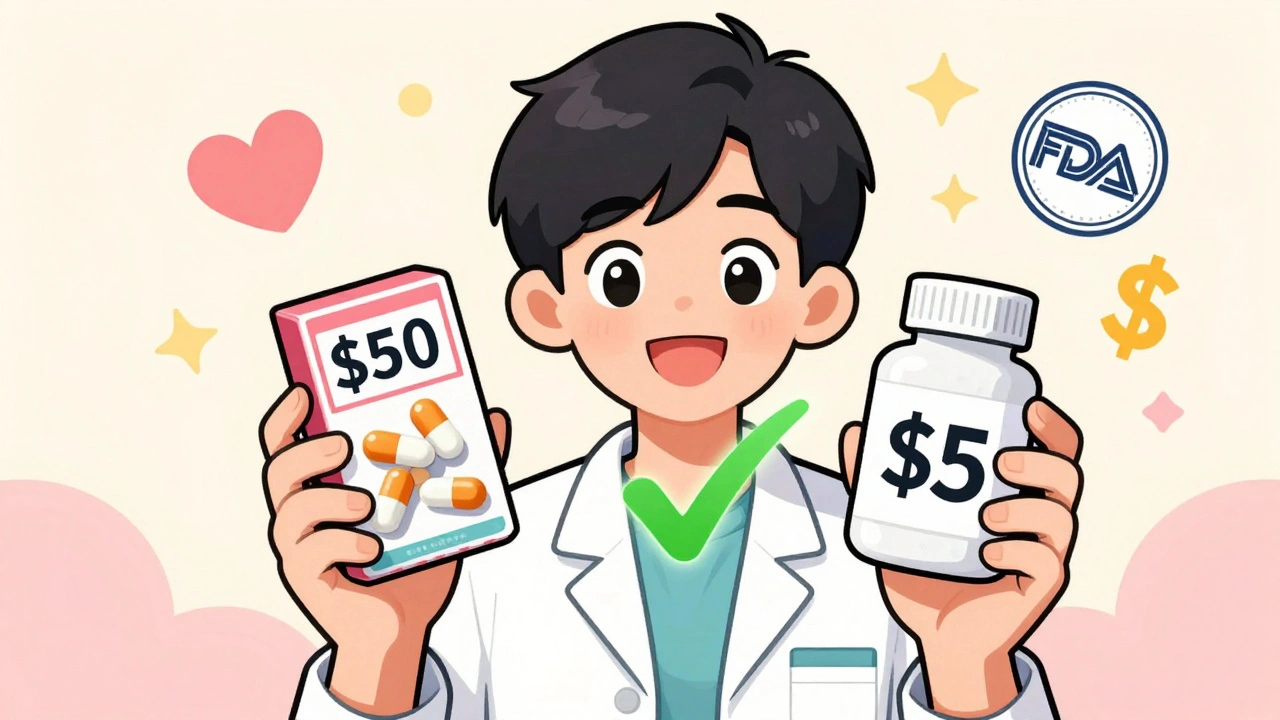
Generic medications save billions in healthcare costs each year, offering the same effectiveness as brand-name drugs at a fraction of the price. Learn how much you can save and how to use generics wisely.
View more