
When you pick up a prescription, you might see two options: a brand-name drug like Lipitor or its generic version, atorvastatin. Generic vs brand, the difference between a drug sold under its chemical name and one sold under a company’s trademark. Also known as brand-name versus generic medication, it’s not about quality—it’s about cost, control, and consistency. The FDA says generics must work the same way as the brand. But here’s the catch: "the same way" doesn’t always mean "the same experience."
Therapeutic equivalence, the official standard that says a generic drug performs the same in the body as its brand-name counterpart is tracked in the FDA’s Orange Book. But not all drugs are created equal when it comes to this standard. Take authorized generics, the exact same drug as the brand, made by the same company but sold without the brand name. Also known as same-drug generics, these are often the closest thing to the brand you’ll get—no reformulation, no hidden changes. Yet many people don’t even know they exist. Meanwhile, generic drugs, medications made by other companies after the brand’s patent expires can vary slightly in fillers, coatings, or how fast they dissolve. For most drugs, that’s fine. For drugs with a narrow therapeutic index—like digoxin, warfarin, or levothyroxine—even tiny differences can cause real harm.
That’s why switching isn’t always a simple swap. A patient on digoxin might do fine on a generic for years—then switch to another generic and end up in the hospital. Why? Because absorption changed. Not because the generic was bad. Because the body reacted to a new formulation. And that’s why monitoring matters. It’s also why some pharmacies won’t switch your prescription without asking your doctor first. And why bulk purchasing of generics can slash costs for clinics—but only if they stick with the same supplier and batch.
There’s another layer: not every drug even has a generic. Some brands block them with legal tricks. Others just don’t make economic sense to copy. And then there are combination pills—like those for HIV or high blood pressure—where making a generic is so complex that few companies try. That’s when you’re stuck paying more, even if the active ingredients are old and cheap.
So what should you do? Don’t assume generics are risky. Don’t assume they’re identical. Ask your pharmacist: Is this an authorized generic? Has this batch worked for others? Are you switching because of cost—or because the pharmacy changed suppliers? And if you’re on a critical drug, keep the same version unless your doctor says otherwise.
Below, you’ll find real stories from people who switched—and what happened next. From fentanyl patches affected by heat, to statins that work on alternate days, to penicillin allergies that weren’t real to begin with. This isn’t theory. It’s what’s happening in clinics, pharmacies, and homes right now. You’re not just choosing a price tag. You’re choosing how your body responds to treatment. Let’s see what the data says.
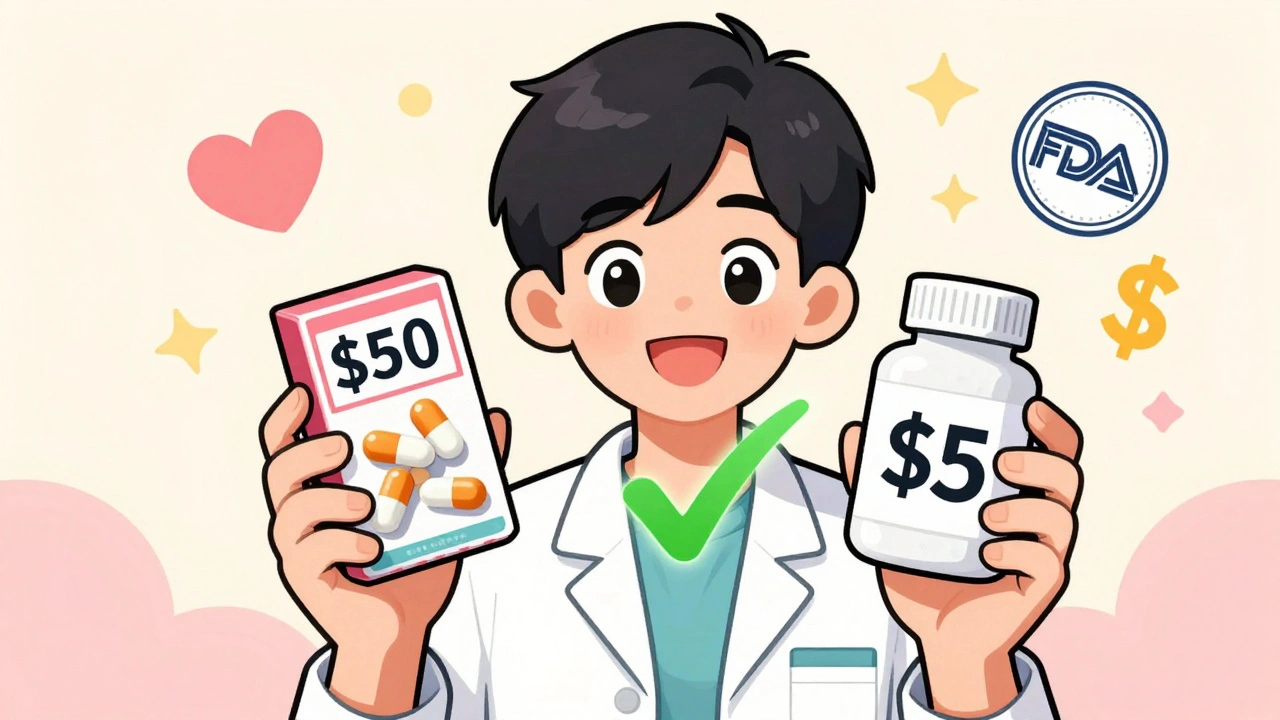
Generic medications save billions in healthcare costs each year, offering the same effectiveness as brand-name drugs at a fraction of the price. Learn how much you can save and how to use generics wisely.
View more