
When you hear penicillin allergy test, a medical procedure used to confirm or rule out a true allergic reaction to penicillin antibiotics. Also known as penicillin skin testing, it’s the most reliable way to find out if you can safely take this common and often life-saving drug. Many people think they’re allergic to penicillin because they had a rash or stomach upset as a kid—but up to 90% of them aren’t truly allergic. That means they’re avoiding a safe, cheap, and effective antibiotic for no reason, which can lead to worse infections and costlier treatments down the road.
Here’s how it works: a doctor or allergist puts a tiny drop of penicillin under your skin, then watches for a raised bump or redness—signs your immune system is overreacting. If the skin test is negative, they might give you a small oral dose to confirm you won’t react. This isn’t just a formality—it’s a safety check that can change your whole treatment path. If you’ve been told you’re allergic but never tested, you might be missing out on better options for infections like strep throat, pneumonia, or even Lyme disease. And if you’ve had a reaction before, the test can tell you whether it was a true allergy or just a side effect.
Other allergic reaction, the body’s immune system overresponding to a substance it wrongly sees as harmful symptoms like nausea, diarrhea, or a mild rash don’t always mean you’re allergic. True penicillin allergies often involve hives, swelling, trouble breathing, or anaphylaxis—rare but serious. Even if you had one of those once, your risk drops over time. Studies show that 8 out of 10 people lose their penicillin allergy after 10 years without exposure. That’s why retesting matters, especially if you’re facing surgery, a chronic infection, or need antibiotics for a long time.
And it’s not just about avoiding penicillin. Many people end up on stronger, more expensive, or more toxic antibiotics like vancomycin or fluoroquinolones because they’re labeled allergic. Those drugs can cause serious side effects—tendon damage, nerve problems, or even antibiotic-resistant infections. A simple penicillin allergy test can help you avoid those risks and get back to the best treatment.
Some people worry the test is dangerous. But it’s done under medical supervision, with emergency tools on hand. The risk of a reaction during testing is extremely low, and the payoff is huge: freedom from unnecessary drug restrictions. If you’ve been avoiding penicillin for years, this test could be the key to simpler, safer care.
Below, you’ll find real-world stories and expert insights on how penicillin allergy testing affects patient care, what alternatives exist when you’re truly allergic, and how to talk to your doctor about getting tested. Whether you’re a patient, caregiver, or just curious, these posts give you the facts you need to make smarter choices about antibiotics and your health.
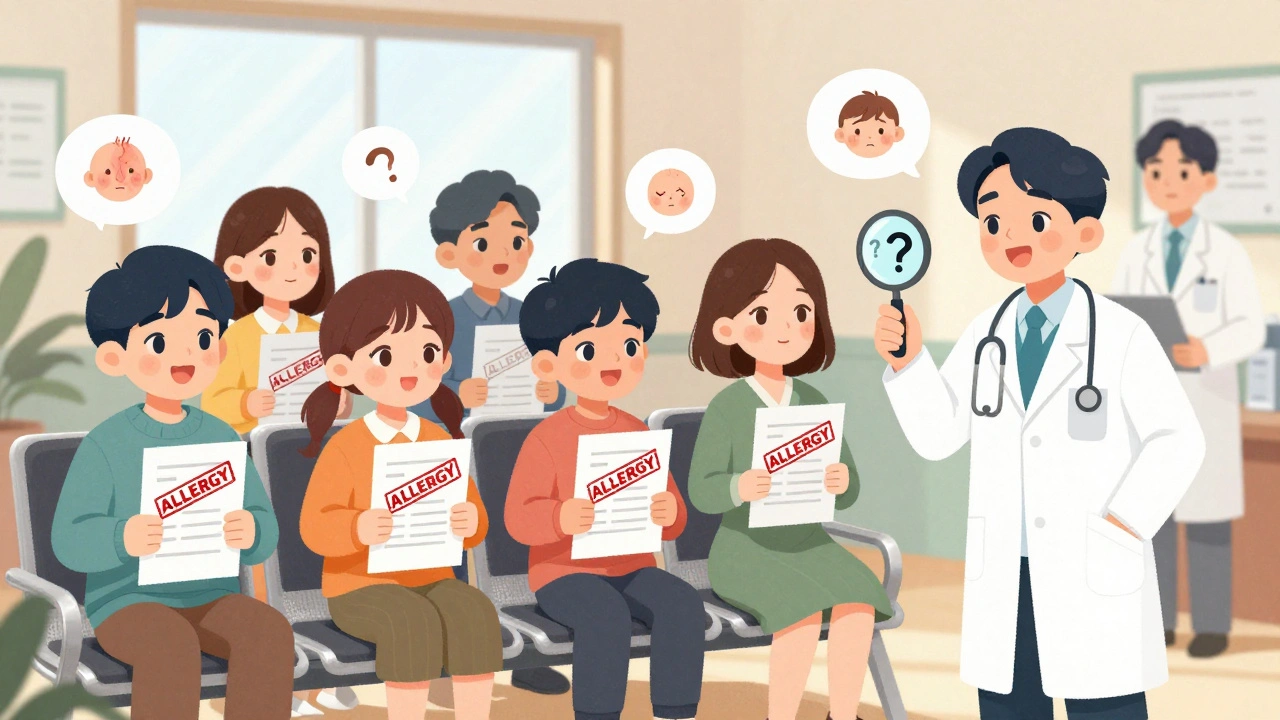
Over 95% of people labeled allergic to penicillin aren’t truly allergic. Learn how testing can safely remove false labels, improve treatment, cut costs, and fight antibiotic resistance.
View more