
When you take a statin, a class of drugs used to lower LDL cholesterol and reduce heart attack risk. Also known as HMG-CoA reductase inhibitors, these medications have helped millions avoid cardiovascular events—but they’re not without risks. Many people start statins expecting only benefits, then hit a wall with muscle pain, fatigue, or confusion about what’s normal. The truth? Most side effects are mild and temporary, but some need real attention.
One of the most talked-about issues is muscle pain, a common complaint that affects up to 10% of users, though true muscle damage is rare. It’s not always the statin—aging, thyroid issues, or even vitamin D deficiency can mimic the same symptoms. Doctors often check a blood test called CK (creatine kinase) to rule out serious muscle breakdown. If your pain is mild and doesn’t worsen, switching to a different statin or lowering the dose often helps. But if you’re dizzy, weak, or have dark urine, stop the drug and call your provider. That’s a red flag.
Another concern is liver enzyme changes, a lab finding that often scares patients but rarely means real harm. Statins can slightly raise liver enzymes in about 1% of users, but this usually doesn’t cause symptoms or damage. Most guidelines say you don’t need to stop the drug unless levels go above three times the normal limit—and even then, it’s often monitored, not abandoned. Many people get taken off statins unnecessarily because of a single abnormal blood test.
Then there’s the myth that statins cause diabetes. Yes, a small group of people—mostly those already at risk—see a slight rise in blood sugar. But the heart protection they offer far outweighs that tiny risk. For someone with high cholesterol and a history of heart disease, skipping a statin because of diabetes fears is like refusing a seatbelt because it might pinch your shoulder.
And let’s talk about memory and cognition. Some patients report brain fog after starting statins. The science here is mixed. Large studies haven’t found a clear link, but if you notice changes, talk to your doctor. Sometimes switching to a less brain-penetrating statin like pravastatin helps.
What you won’t find in most patient brochures? The fact that many side effects fade after a few weeks. Your body adapts. And if you’ve been told you’re "statin intolerant," don’t assume it’s forever. About half of those people can tolerate a different statin, a lower dose, or even a non-statin option like ezetimibe or PCSK9 inhibitors.
Statin side effects aren’t a reason to avoid treatment—they’re a reason to work smarter with your doctor. The goal isn’t to avoid every discomfort, but to find the right balance between safety and protection. Below, you’ll find real stories, science-backed fixes, and practical advice from people who’ve been there. Whether you’re just starting statins or struggling with side effects, you’re not alone—and there’s a better way forward.
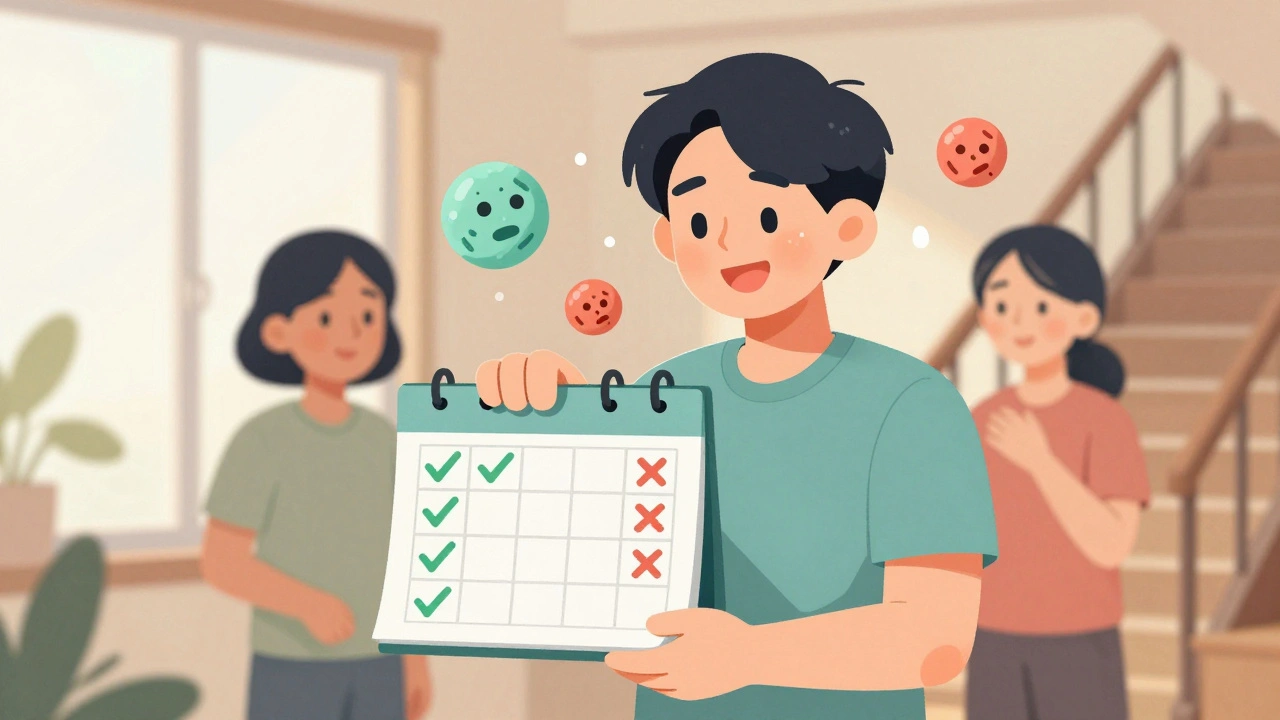
Alternate-day statin dosing can lower LDL cholesterol by 70-80% while cutting muscle side effects in half. Learn how it works, who it's for, and why it's changing lives for statin-intolerant patients.
View more