
When you take a medication, your body doesn’t always process it the same way as someone else. That’s where therapeutic drug monitoring, the practice of measuring drug concentrations in the blood to ensure they stay within a safe and effective range. Also known as TDM, it’s not just for hospitals—it’s a quiet but vital part of managing chronic conditions like epilepsy, heart failure, and autoimmune diseases. Think of it like checking your gas tank while driving a high-performance car: too little and you stall; too much and you risk an explosion.
Not all drugs need this kind of tracking. But for those with a narrow therapeutic index, a tiny difference between a helpful dose and a dangerous one, it’s life-or-death. Drugs like warfarin, lithium, digoxin, and certain antibiotics fall into this category. A few points off in blood concentration can mean a seizure, kidney damage, or even death. That’s why doctors order regular blood tests—not to be extra cautious, but because the science demands it. Even small changes in liver function, hydration, or other medications can shift how your body handles these drugs. And here’s the thing: pharmacokinetics, how your body absorbs, moves, breaks down, and gets rid of a drug isn’t the same for everyone. Age, weight, genetics, and even what you ate for breakfast can change how fast or slow a drug clears from your system.
Therapeutic drug monitoring isn’t about guessing. It’s about data. It tells your doctor if your current dose is too low to work, too high to be safe, or just right. It’s why someone on epilepsy meds might get a blood draw every few months—even if they feel fine. It’s why a transplant patient can’t just refill their tacrolimus prescription without a lab check. And it’s why switching to a generic version of a narrow therapeutic index drug isn’t always as simple as swapping the bottle. Even small differences in inactive ingredients or how the drug is released can throw off levels. That’s why you’ll see posts here about therapeutic equivalence, dose differences in combination drugs, and how generic substitutions can sometimes backfire if not monitored closely.
You won’t find therapeutic drug monitoring in every doctor’s office. But if you’re on one of these high-risk meds, it’s your safety net. The posts below cover real cases: how fentanyl patches react to heat, why steroid use can cause sudden vision loss, how statin side effects change with dosing schedules, and why some people get sick from drugs they were told were "safe." All of it ties back to one truth: medicine isn’t one-size-fits-all. Your blood tells the real story. And knowing what’s in it can save you from harm—or even save your life.
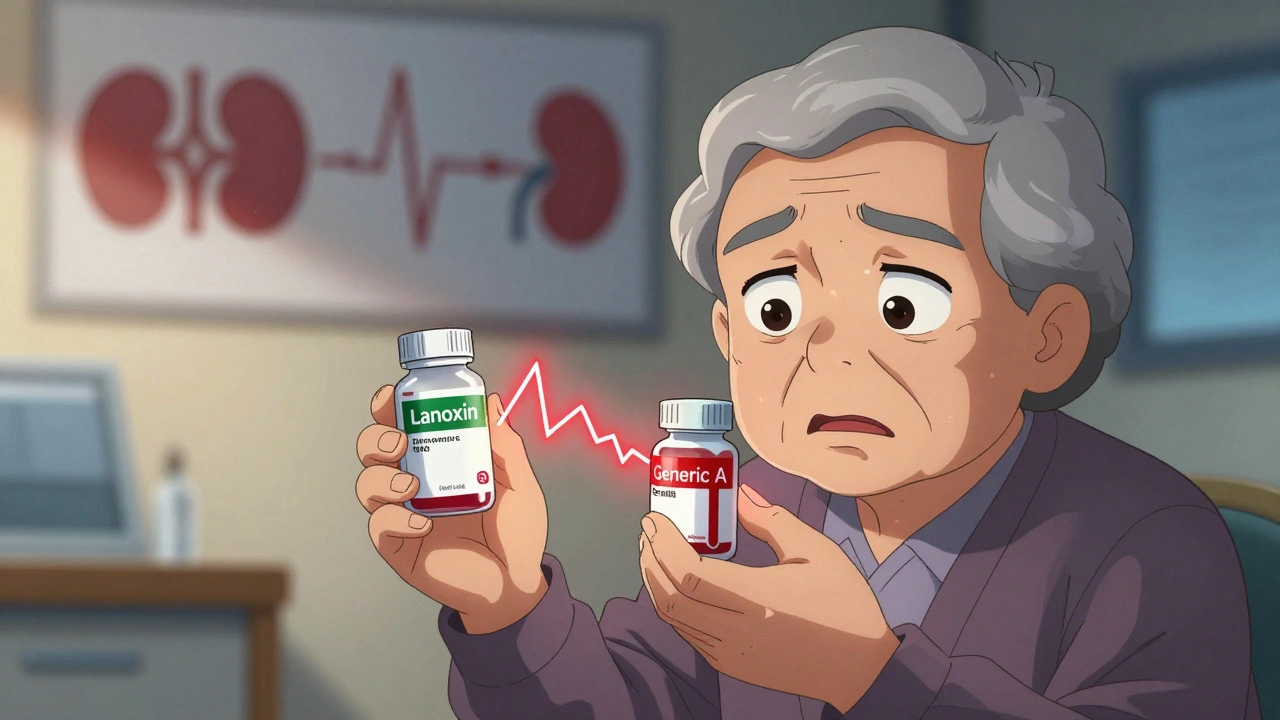
Digoxin generics may be bioequivalent on paper, but small differences in absorption can cause dangerous toxicity or treatment failure. Learn why consistent use and blood monitoring are critical for safe therapy.
View more