
When you pick up a generic pill, you expect it to do the same job as the brand-name version. That’s where bioequivalence, the scientific proof that two drugs deliver the same amount of active ingredient at the same rate in the body. Also known as therapeutic equivalence, it’s the invisible rule that keeps your prescriptions safe and affordable. It’s not just about matching ingredients—it’s about making sure your body gets them the same way, every time. Without bioequivalence, a generic could be too weak to work, or too strong and cause side effects.
Think of it like two identical keys for the same lock. One might be made in a factory, the other in a garage—but if they don’t turn the same way, you’re stuck. The FDA requires generics to prove they match the brand in drug absorption, how quickly and completely the medicine enters your bloodstream. But here’s the catch: even if two drugs are labeled bioequivalent, small differences in fillers, coatings, or release timing can matter—especially for drugs with a narrow therapeutic index, like warfarin or epilepsy meds. That’s why some patients notice changes when switching, even when the label says "equivalent." Therapeutic equivalence, the real-world outcome of bioequivalence isn’t just a lab result. It’s whether your blood pressure stays steady, your seizures stay gone, or your cholesterol stays under control after the switch. Some studies show a small but real number of people experience issues—especially if they’re on multiple meds, have kidney or liver problems, or are elderly. It’s not about generics being bad. It’s about biology being messy. Your body doesn’t care about the brand name on the bottle—it cares about what’s actually happening inside you.
That’s why the posts below dive into the real-world gaps between theory and practice. You’ll find guides on when switching generics is safe, why some drugs don’t have authorized versions, how dose differences in combo pills can trip you up, and what to watch for if your meds suddenly feel different. Whether you’re managing statins, antibiotics, or chronic pain meds, understanding bioequivalence helps you ask the right questions—and avoid costly or dangerous surprises.

Modified-release formulations require special bioequivalence testing to ensure generic versions match the brand's release pattern. Learn the key rules, regulatory differences, and why many generics fail.
View more
Bioavailability studies ensure generic drugs are absorbed the same way as brand-name versions. The FDA uses precise pharmacokinetic tests to confirm safety and effectiveness before approval.
View more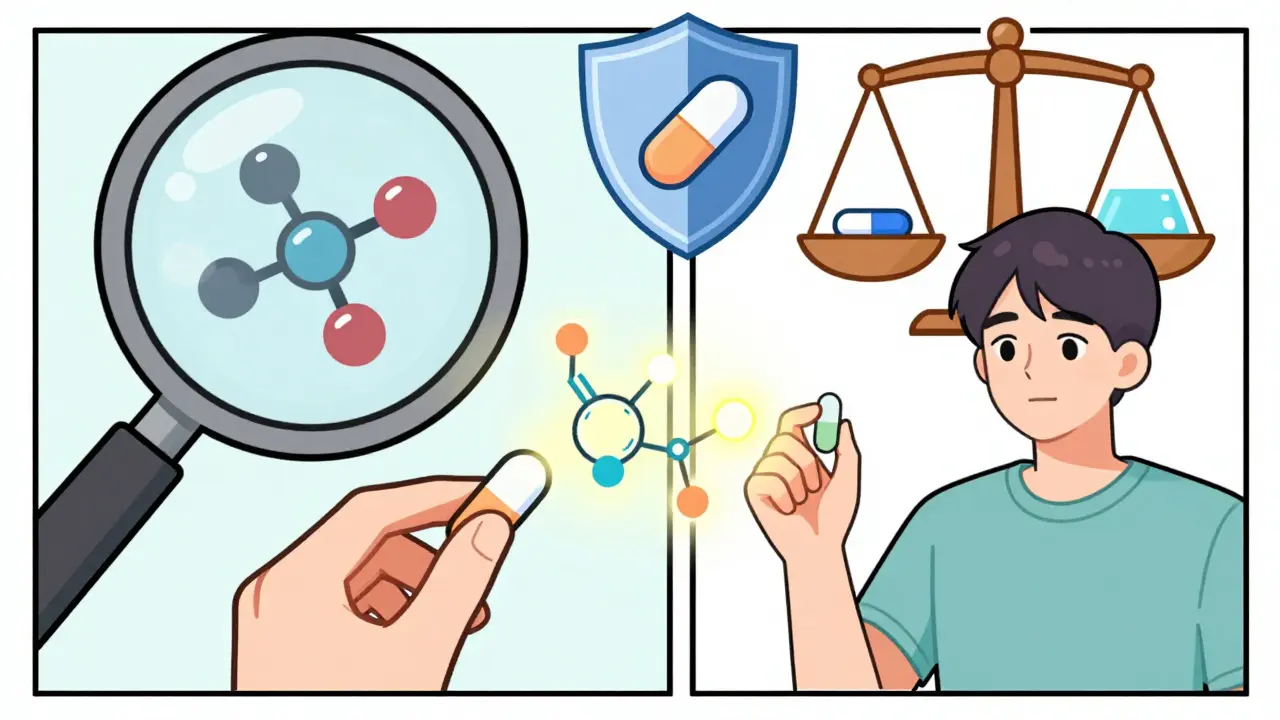
Learn how the FDA ensures generic drugs are as safe, strong, and effective as brand-name medications through strict bioequivalence, manufacturing, and stability standards. No shortcuts. Just science.
View more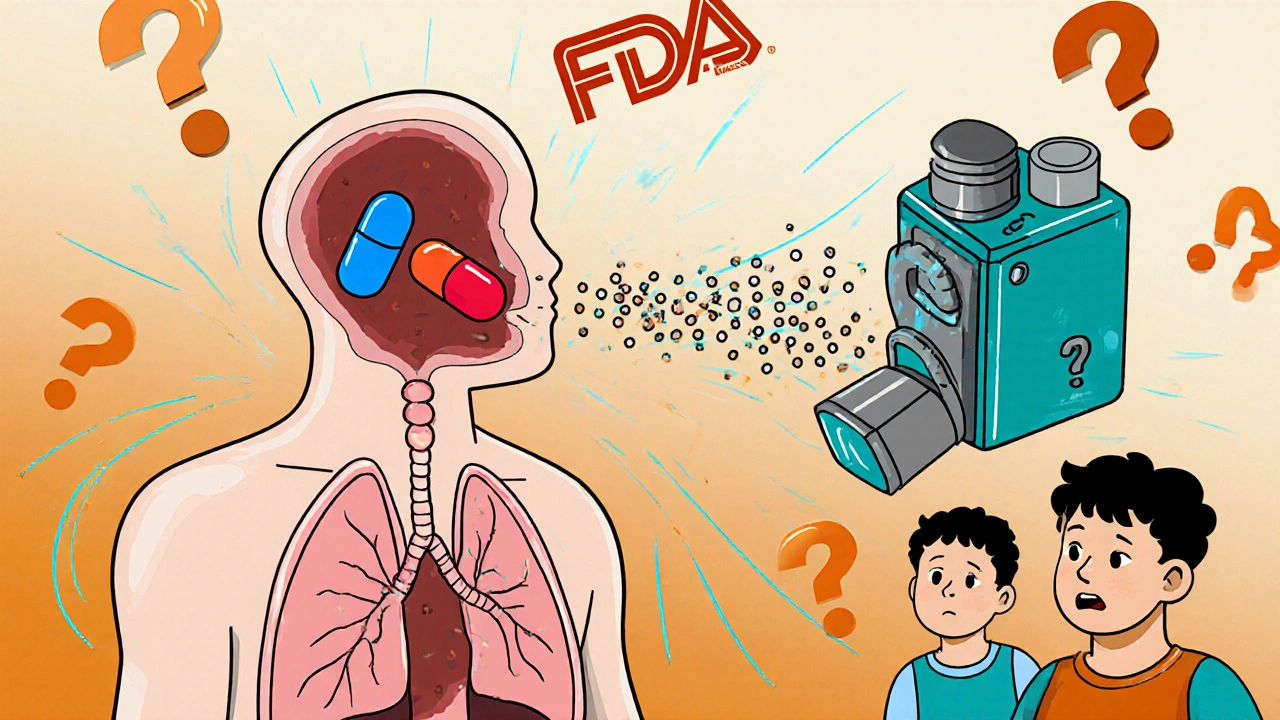
Bioequivalence testing for combination products-like fixed-dose pills, topical creams, and inhalers-is far more complex than for single-drug generics. Learn why these products face higher failure rates, higher costs, and regulatory hurdles that delay affordable access.
View more
Therapeutic equivalence ensures generic drugs work just like brand-name ones, keeping patients safe while cutting costs. Learn how the FDA's Orange Book system protects you and why it matters for your treatment.
View more