

GLP-1 agonists like semaglutide and tirzepatide are transforming obesity treatment by reducing appetite, promoting significant weight loss, and improving heart and brain health - far beyond their original use for diabetes.
View more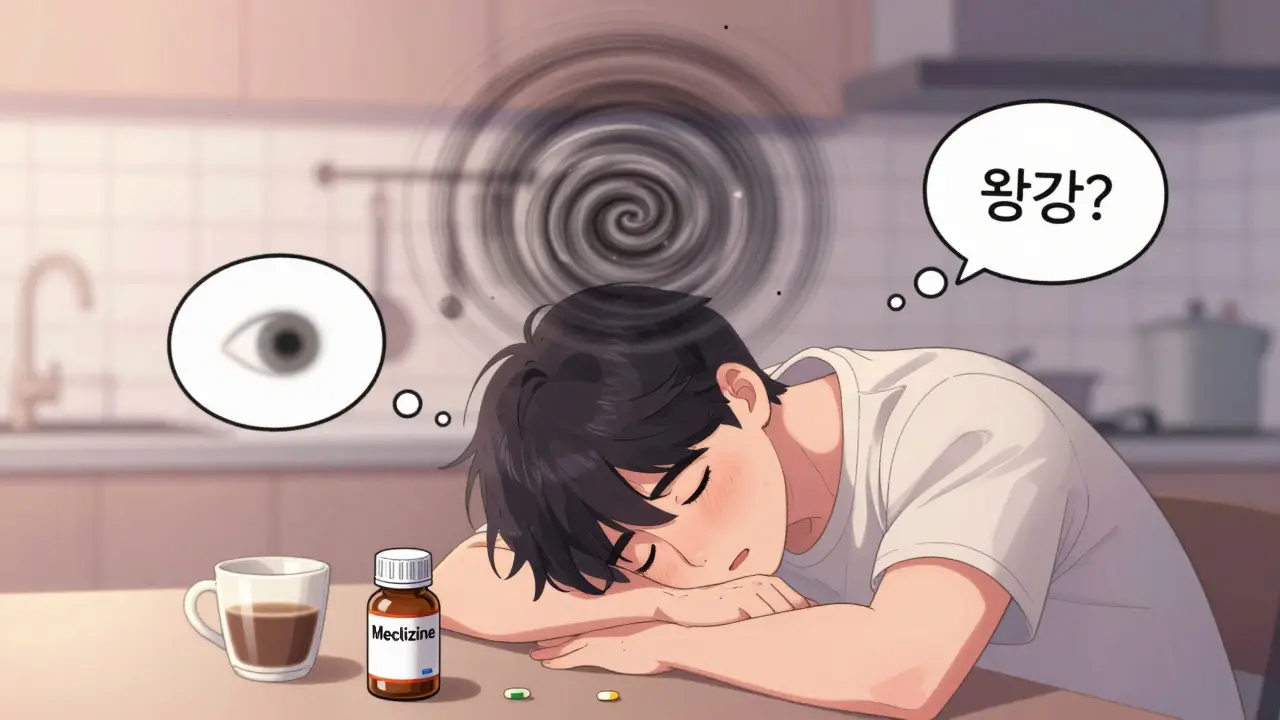
Meclizine helps with vertigo and motion sickness, but it causes drowsiness, brain fog, and other side effects. Learn how to use it safely, who should avoid it, and what alternatives work better.
View more
Combination decongestant-antihistamine medicines like Zyrtec-D and Claritin-D are popular but carry hidden risks-including high blood pressure spikes, drowsiness, and overdose. Learn who’s most at risk and how to use them safely.
View more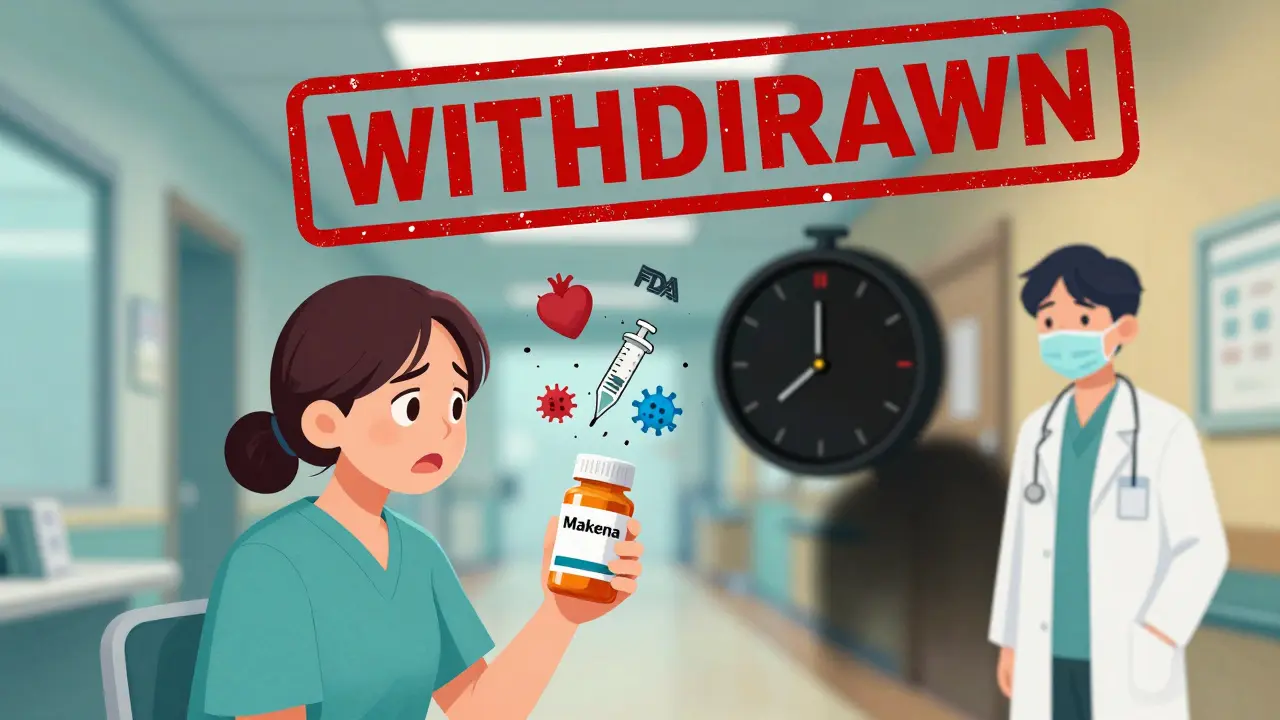
Medications are pulled from the market when they’re unsafe or ineffective. The FDA's old system took years to act - now, new rules aim to speed up withdrawals. Here’s how it works and why it matters.
View more
Learn about cardiovascular combination generics-affordable, effective treatments for heart conditions. Discover common drug combinations, cost savings, and key considerations when choosing generics over brand-name options.
View more
Early refills and duplicate therapy mistakes put patients at risk of overdose, dependence, and dangerous drug interactions. Learn how pharmacists and clinics can use protocols, technology, and teamwork to prevent these errors and improve medication safety.
View more
Desloratadine and loratadine are both non-sedating antihistamines for allergies. Desloratadine is more potent, longer-lasting, and better for nasal congestion and eye symptoms. Loratadine is cheaper and works for mild cases. Here's how they compare on dosing, side effects, and real-world results.
View more
When switching from brand to generic NTI drugs like levothyroxine or warfarin, small changes in blood levels can cause serious harm. Learn when to stick with brand, when generics are safe, and how to protect yourself from dangerous substitutions.
View more
Many medications can cause ringing in the ears - from aspirin to antibiotics to chemotherapy drugs. Learn which ones are most likely to trigger tinnitus, how to spot it early, and what to do next.
View more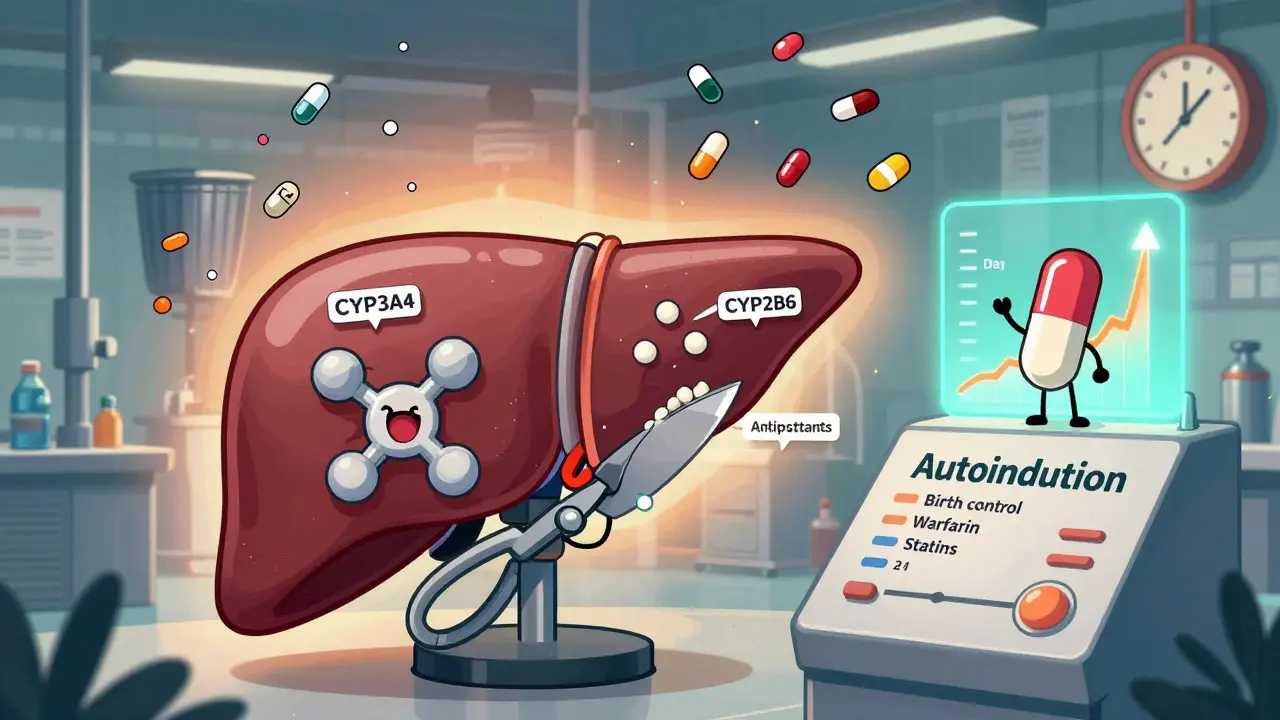
Carbamazepine is a powerful enzyme inducer that can reduce the effectiveness of birth control, blood thinners, antidepressants, and more. Learn how it affects other drugs, why autoinduction makes it tricky, and what to do to stay safe.
View more